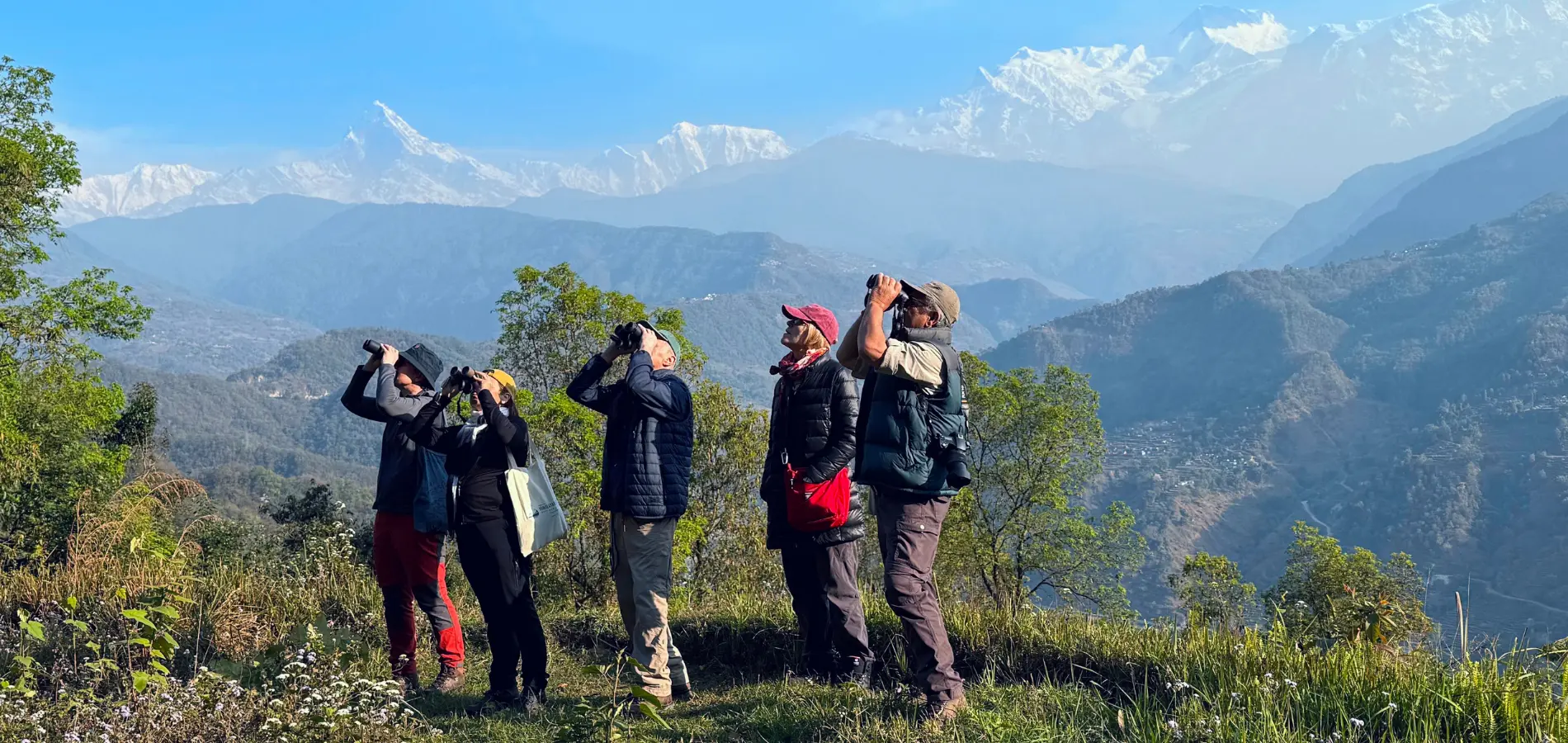

NATURE EXPERTS
Wildlife, birding & Himalayan journeys

SMALL GROUPS
More personal, more flexible travel

PRIVATE & TAILOR-MADE
Journeys shaped around you

RESPONSIBLE TRAVEL
Supporting people & places
Table of Contents
Asia is not a destination that can be understood from a checklist. Nature and wildlife holidays in Asia can take you from Himalayan valleys and ancient forests to tropical islands, wetlands and remote mountain landscapes — but the most rewarding journeys go beyond simply seeing a place.From the Himalayas to tropical rainforests, ancient cities to remote villages, its landscapes, wildlife and cultures unfold at different rhythms. The most rewarding journeys often begin when we stop trying to see everything and start paying attention to where we are.
The most rewarding journeys often begin when we stop trying to see everything and start paying attention to where we are. A quiet morning in a Himalayan village, the sudden appearance of a tiger beyond the grass, the call of a bird deep inside a rainforest, or a shared meal around a family table can become far more memorable than another landmark hurriedly added to an itinerary.
This guide explores Asia through the experiences that make travel here so compelling: extraordinary landscapes, remarkable wildlife, exceptional birdlife, living cultures and journeys that allow time for genuine discovery
Welcome to Asia, Beyond the Ordinary
Asia does not reveal itself all at once. It is a continent that unfolds gradually, often in ways that have little to do with the famous landmarks that first attract travellers. It may begin with the first glimpse of the Himalayas appearing through the morning haze, with the sound of a temple bell travelling across an old city, or with the sudden call of a bird somewhere beyond a forest trail. It may begin beside a river, in a village kitchen, on a remote mountain road or in the quiet moments before sunrise inside a national park. These experiences remind us that travel is not simply about reaching a destination; it is about becoming part of a place, even if only for a short while.
For many travellers, Asia first appears as a collection of extraordinary names and images: Mount Everest rising above the clouds, Bhutanese monasteries standing against Himalayan landscapes, Bengal Tigers moving through the forests of India, ancient temples surrounded by jungle, orangutans high in the canopy of Borneo, the seasonal landscapes of Japan, horses crossing the immense steppe of Mongolia and turquoise water surrounding the islands of the Maldives. All of these places deserve their reputation, but they represent only a fraction of what makes the continent so compelling. Beyond the landmarks are landscapes shaped by thousands of years of human history, forests supporting extraordinary biodiversity, communities whose traditions remain connected to the natural world, and countless encounters that cannot be fully captured in a guidebook.
This is what makes nature, wildlife and cultural holidays in Asia so varied. A journey may take you from the foothills of the Himalayas into subtropical forests, from a wildlife reserve to a traditional village, or from an ancient cultural centre to a remote landscape where very few international travellers pass. The richness lies not only in the places themselves, but in the connections between them. A mountain trail may lead through villages where agriculture and religion have shaped the landscape for generations. A wildlife safari may reveal the relationship between protected forests and neighbouring communities. A birding expedition may introduce you to an ecosystem that becomes far more fascinating once you understand the species that depend upon it.
At Travel to Nature Asia, this deeper experience of Asia has shaped the way we travel for decades. Our journeys have developed through trekking, wildlife exploration, birdwatching, conservation work, community projects and travel across Nepal, India, Bhutan, Tibet and Southeast Asia. Our current collection reflects this philosophy, from Himalayan journeys and wildlife expeditions to tailor-made cultural and nature holidays across destinations including Nepal, Bhutan, India, Sri Lanka, Vietnam, Cambodia, Laos, Thailand, Indonesia, Borneo, Japan, Mongolia and Tibet.
We have learned that some of the most memorable experiences cannot be guaranteed or scheduled. They happen when a tiger appears unexpectedly at the edge of the forest, when a rare bird calls from somewhere high in the canopy, when a village family invites you to sit down for tea, or when a long journey through the mountains becomes an opportunity to understand a landscape rather than simply pass through it.
Our story is rooted in Nepal. Our founder, Krishna Karki, comes from the remote village of Narayansthan in Baglung, where his early education began beneath a tree, alongside a small group of students. His curiosity and desire to learn eventually took him to India for further education before he returned to Nepal and worked as a naturalist in Chitwan and Bardia National Parks. His experiences there brought him close to Nepal’s wildlife and landscapes and led to involvement in bird and tiger conservation and community development. He later founded SWAN Nepal, an organisation that has worked for decades with disadvantaged and rural communities through education, healthcare and women’s empowerment. His journey into the travel industry in 1994 eventually took him across Nepal, India, Bhutan, Tibet and Southeast Asia, establishing the experience and philosophy that continue to influence Travel to Nature Asia today.
That philosophy is simple: travel should create a deeper connection between people and places. We believe a journey becomes more meaningful when travellers have time to understand the landscape they are moving through, meet the people who call it home and appreciate the wildlife and ecosystems that make each destination unique.
From the high valleys of the Himalayas to ancient tropical forests, from wildlife-rich grasslands to remote islands and from centuries-old traditions to contemporary Asian life, the continent offers almost limitless ways to travel.
This is the Asia we want to share: an Asia that rewards curiosity, patience and a willingness to look beyond the obvious.
CHAPTER 01
Why Asia? A Continent of Infinite Discoveries
Asia is a continent of extraordinary contrasts, where the world’s highest mountains, tropical forests, vast grasslands, ancient cultures and wildlife-rich landscapes exist within a single vast canvas.
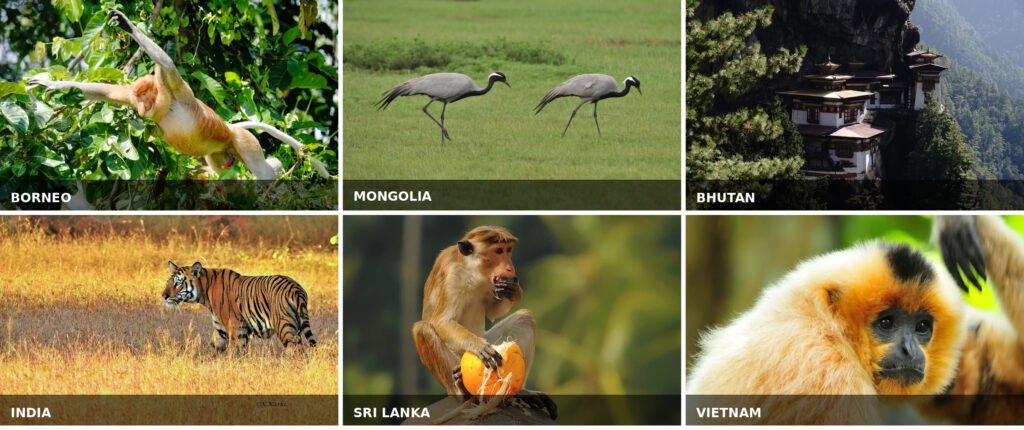
A Continent of Contrasts
There are few places on Earth where such an extraordinary range of landscapes, ecosystems, cultures and ways of life exists within one continent. Asia stretches across an immense geographical and cultural canvas, encompassing the world’s highest mountain systems, tropical rainforests, vast grasslands, deserts, wetlands, volcanic islands and coral-rich seas.
What makes travelling across Asia so rewarding is not simply the scale of these landscapes, but the way they shape everyday life. Mountains influence where people live and how they travel. Rivers sustain communities and wildlife. Forests provide shelter for extraordinary species, while ancient routes, villages and cities reveal cultures that have evolved alongside the natural world.
The Himalayas
The Himalayas form one of Asia’s defining landscapes. Rising across Nepal, Bhutan, India and Tibet, these mountains influence weather, rivers, agriculture, wildlife and human settlement far beyond their immediate valleys. Yet the Himalayas are not simply a world of snow and ice. Their lower slopes support forests rich in birdlife, villages, monasteries, farms and traditional ways of life, while high mountain routes reveal a long history of people adapting to life among the world’s highest peaks.
Beyond the Mountains
Further south, the landscape opens into forests, wetlands and grasslands where some of Asia’s most recognisable animals still survive. India’s national parks provide habitat for Bengal tigers, Asian elephants, sloth bears, deer, crocodiles and hundreds of bird species. Nepal’s lowland forests and grasslands support rhinoceroses, elephants, tigers and an extraordinary variety of birds, while Sri Lanka offers another remarkable concentration of wildlife within a relatively compact island.
ravel further east and another Asia emerges. Borneo’s rainforests shelter orangutans and extraordinary bird and primate diversity, while Indonesia extends this natural variety across thousands of islands shaped by volcanoes, forests, coral reefs and unique wildlife. Cambodia, Laos, Vietnam and Thailand combine rivers, forests and agricultural landscapes with cultural traditions that have evolved over centuries.
Japan offers another expression of the continent, where mountains, forests and coastlines change dramatically with the seasons and coexist alongside highly developed cities. Mongolia opens into vast steppe and desert landscapes where distance itself becomes part of the experience. In the Maldives, the scale changes again, with coral reefs, lagoons and island communities defining a very different relationship with nature.
For travellers, this diversity means that an Asian holiday can take many forms. It can be a Himalayan trek, a wildlife safari, a birding expedition, a cultural journey, a family adventure, or a combination of several experiences.
The common thread is not the activity. It is the opportunity to experience a place deeply.
CHAPTER 02
Nature Across Asia
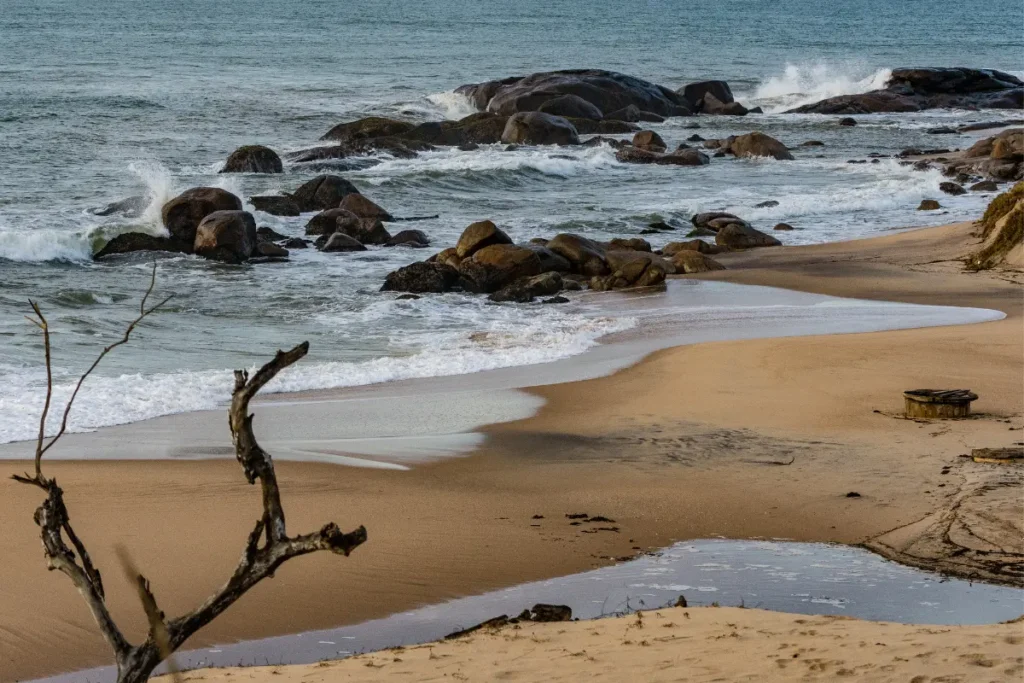
From Himalayan valleys and alpine meadows to tropical rainforests, wetlands, grasslands and island ecosystems, Asia contains an extraordinary variety of natural environments. The character of each landscape changes with altitude, climate and geography, creating journeys that can feel completely different from one region to the next.
Mountains & Highlands
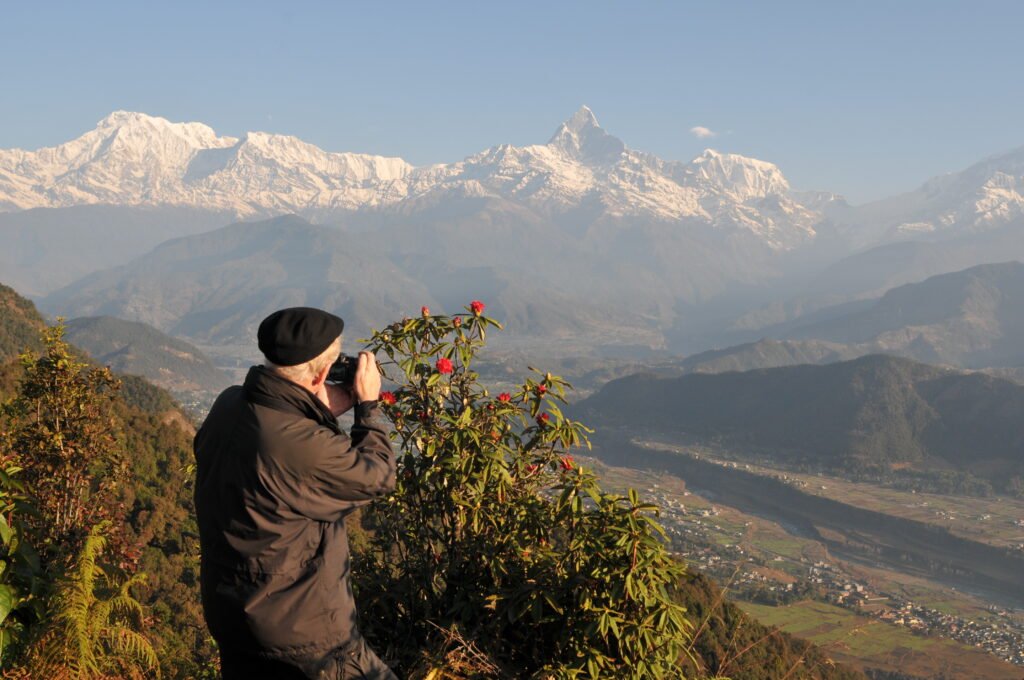
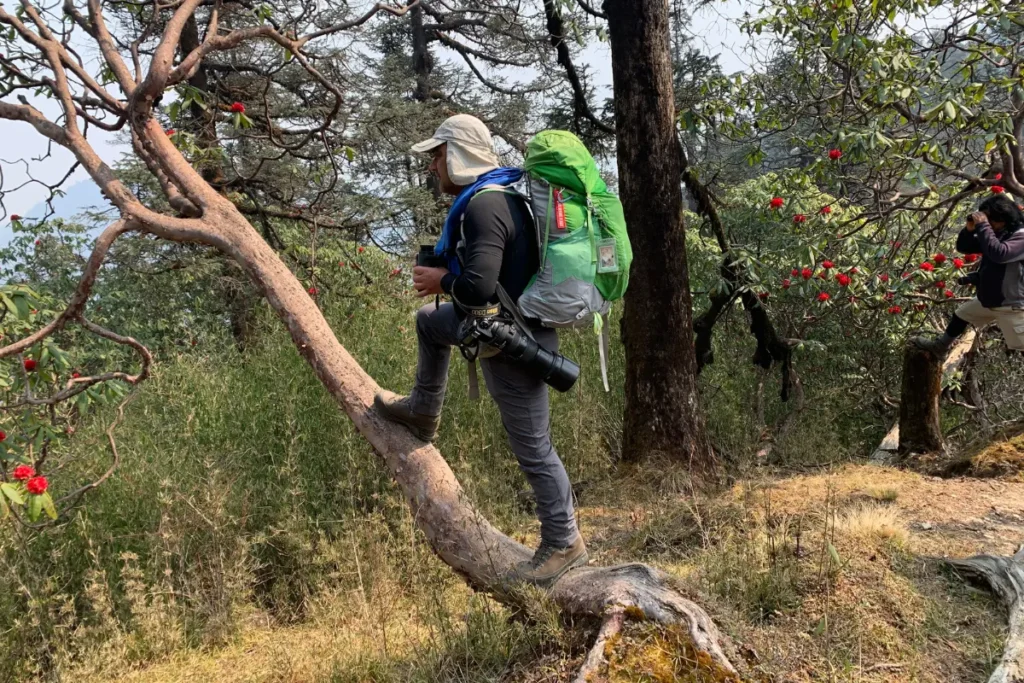
From the Himalayas of Nepal and Bhutan to the high plateaus and remote valleys beyond, Asia’s mountains offer some of the continent’s most dramatic landscapes. Forests climb towards alpine meadows, rivers descend through deep valleys, and traditional communities continue to live in close relationship with the mountains around them.
Forests & Rainforests
Across Asia, forests range from Himalayan woodland to dense tropical rainforest. These habitats shelter an extraordinary diversity of plants, birds and mammals, from rare mountain species to orangutans in Borneo and primates across Southeast Asia. For travellers, entering these forests often means slowing down and learning to notice the smaller details of a living ecosystem.
Wetlands, Grasslands & Islands
Beyond the forests, Asia’s wetlands, grasslands and islands create entirely different environments. Open grasslands provide habitat for large mammals and migratory birds, while wetlands support rich birdlife and aquatic ecosystems. Across the islands of Indonesia, Sri Lanka and the Maldives, coastlines, coral reefs and surrounding waters create yet another expression of Asia’s natural diversity.
What connects these landscapes is their diversity — and the opportunity to experience them at a human pace. A journey through Asia’s natural world can move from mountain trails to forest paths, from open grasslands to quiet wetlands and from remote valleys to tropical shores.
Nature is not simply the backdrop to the journey. It is part of the journey itself.
CHAPTER 03
Wildlife Across Asia
Asia is one of the world’s great wildlife destinations, with ecosystems ranging from Himalayan forests and South Asian grasslands to tropical rainforests and island habitats. The experience is not simply about seeing animals, but about understanding the landscapes and communities that make their survival possible.
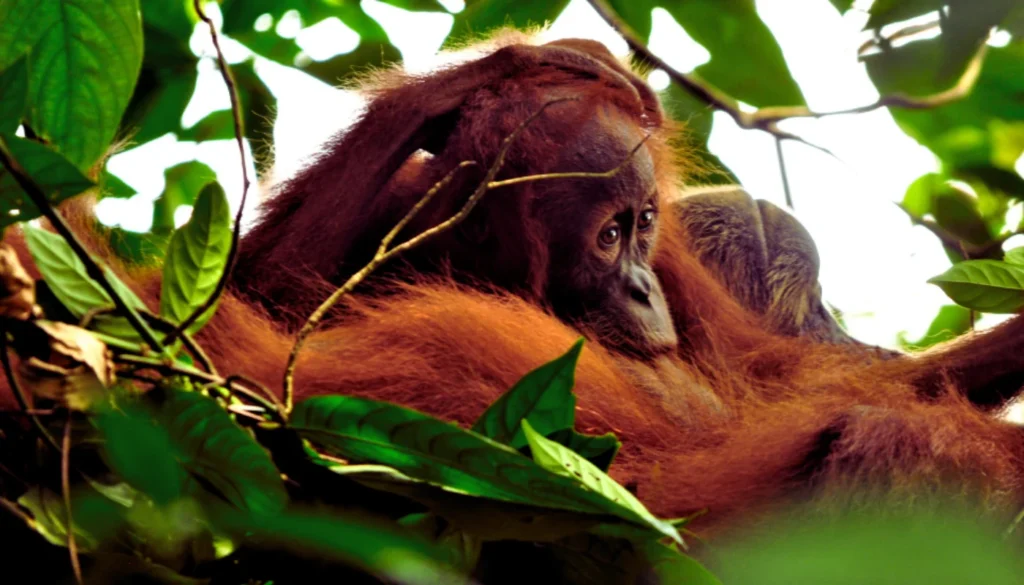
Wildlife is one of Asia’s great reasons to travel, but experiencing it properly requires something that modern travel does not always encourage: patience. Animals do not appear on schedule. A tiger may remain hidden in tall grass, a bird may reveal itself for only a moment, and a family of orangutans may move quietly through the forest canopy.
This unpredictability is part of the experience. The anticipation, the sounds of the forest and the changing light can become as memorable as the sighting itself. For us, responsible wildlife travel is about giving these encounters time and allowing the natural world to set the pace
Wildlife in the Wild
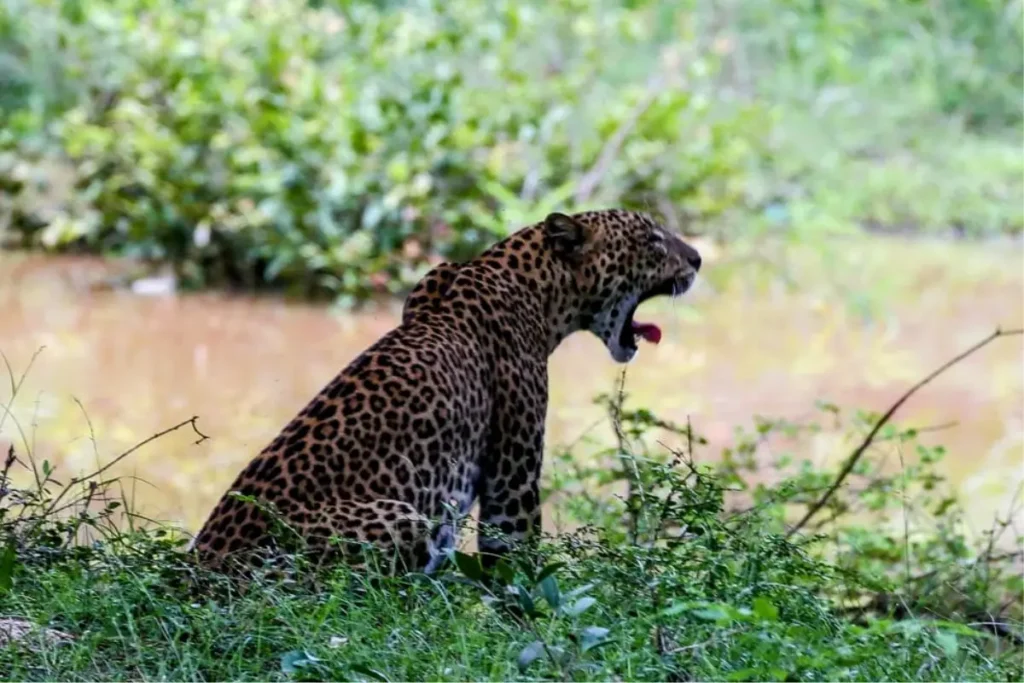
Across the continent, wildlife experiences vary enormously with the landscape. Nepal’s lowland forests and grasslands are home to greater one-horned rhinoceroses, Bengal tigers, wild elephants, crocodiles and an extraordinary diversity of birds. India’s national parks offer opportunities to encounter tigers, leopards, elephants, sloth bears and many other species, while Sri Lanka combines remarkable wildlife diversity with the intimacy of an island environment.
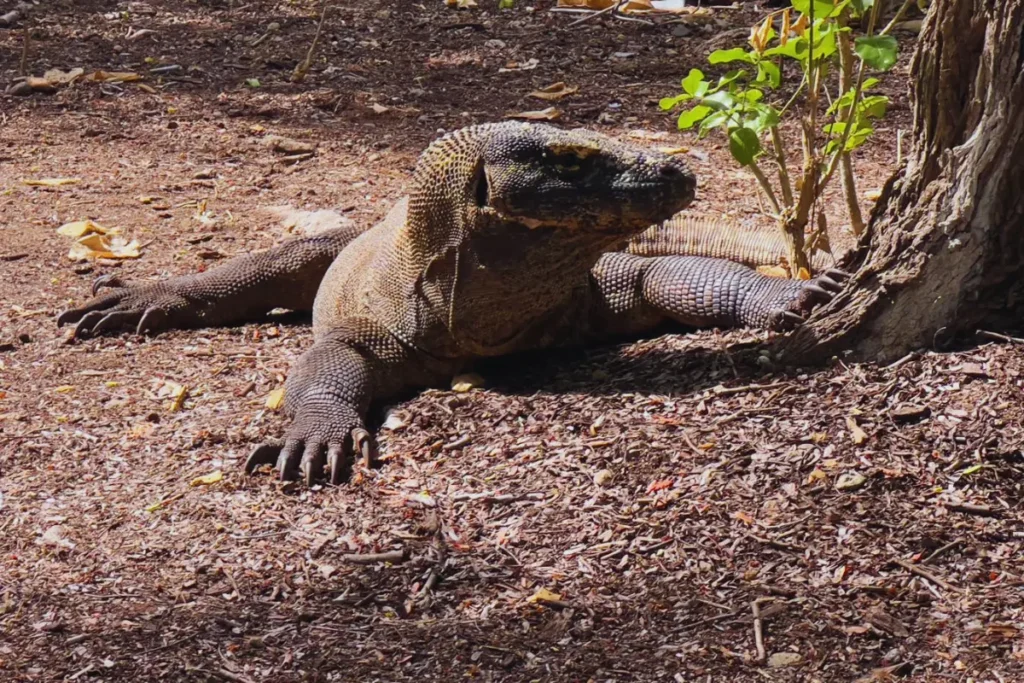
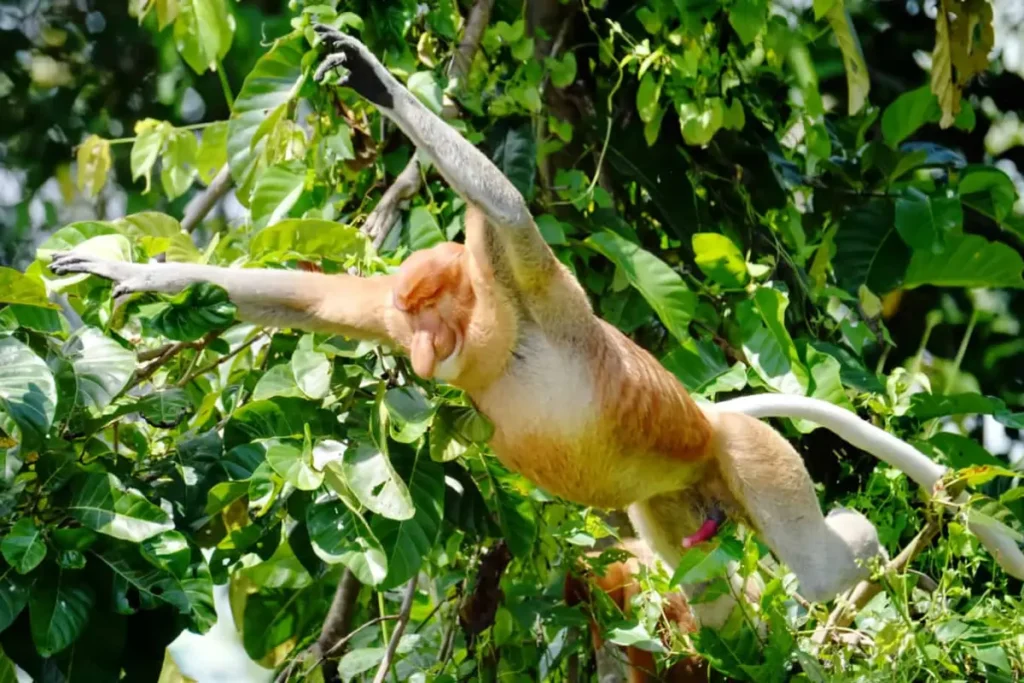
Further east, the forests of Borneo shelter orangutans, gibbons, hornbills and other species found nowhere else. Indonesia’s islands bring together rainforest, volcanic landscapes and marine ecosystems, while Southeast Asia supports an equally fascinating variety of primates, birds and other forest wildlife.
From Tigers to Primates
Some of Asia’s most remarkable wildlife journeys are defined by a single species. Travellers may venture into India’s forests in search of a tiger, explore Nepal’s Terai for rhinoceros and wild elephants, or follow forest trails in Borneo hoping to glimpse an orangutan moving through the canopy.
Others are drawn by birds, rare primates or the possibility of encountering species adapted to some of the continent’s most unusual environments. Each experience requires a different approach, and each landscape tells a different story.
Wildlife & Conservation
Wildlife travel is inseparable from conservation. Protected areas, local communities, researchers and conservation organisations all play a role in protecting the habitats on which Asia’s wildlife depends.
We believe travel can contribute positively when it is designed with care — supporting local livelihoods, respecting wildlife behaviour and creating reasons for natural habitats to be valued and protected. A wildlife journey should leave travellers with more than photographs; it should deepen their understanding of the places and species they have encountered.
The greatest wildlife encounters are rarely the ones we can predict. They are the moments when patience, place and chance come together — and for a few seconds, we are simply observers in a much larger natural world.
CHAPTER 04
Birdwatching Across Asia
From Himalayan forests and mountain valleys to tropical rainforests, wetlands and coastal habitats, Asia offers an extraordinary range of birdlife. Its changing altitude, climate and geography create opportunities for both dedicated birders and travellers who simply enjoy discovering the natural world.
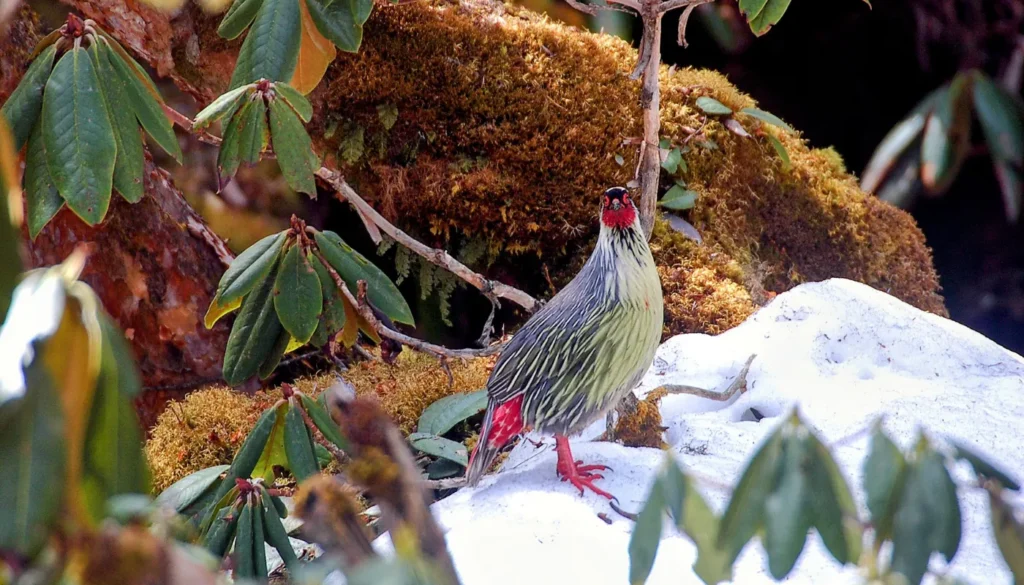
Birding changes the way we travel. Instead of moving quickly from one attraction to another, we begin to notice the details around us — a call from somewhere deep in the forest, movement in the canopy, a flash of colour between the branches or footprints beside a forest trail.
Asia rewards this attention. The same journey can pass through several habitats within a matter of days, with birdlife changing dramatically as altitude, vegetation and climate change.
A Continent of Habitats
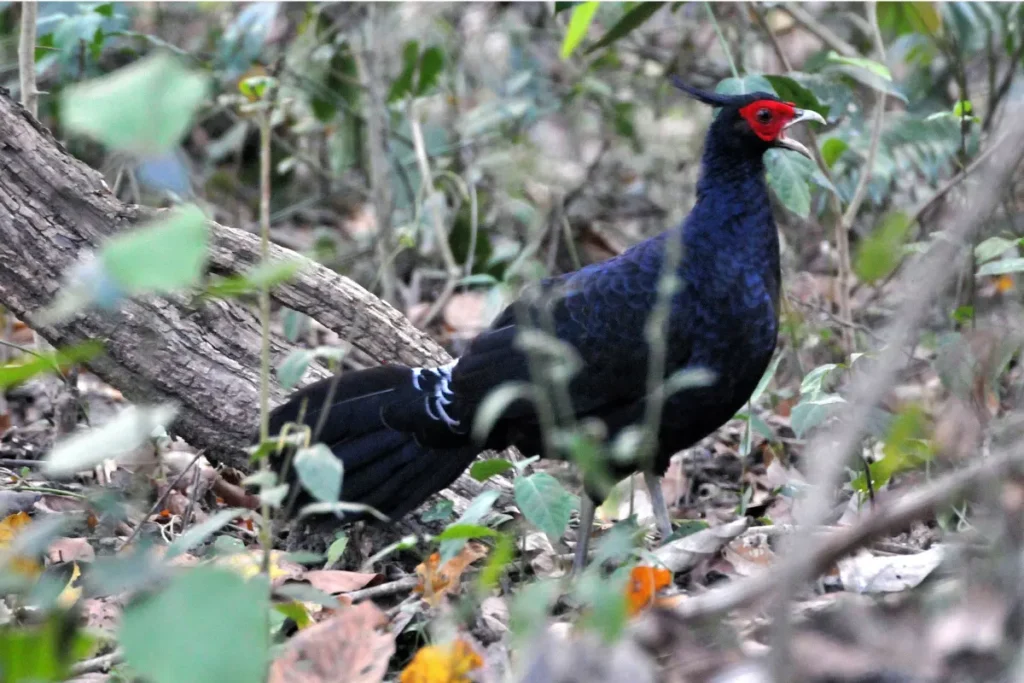
Nepal and Bhutan offer exceptional birding across Himalayan foothills, forests and high-altitude landscapes, where species change with every rise in elevation. India’s forests, wetlands and grasslands support an extraordinary diversity of resident and migratory birds, while Sri Lanka’s compact geography allows several distinct habitats to be explored within a relatively small area.
Further east, the tropical forests of Borneo and Southeast Asia bring an entirely different world of birds, from colourful forest species to hornbills and other specialist wildlife. Across the continent, wetlands, river valleys, grasslands and coastal ecosystems add yet more possibilities.
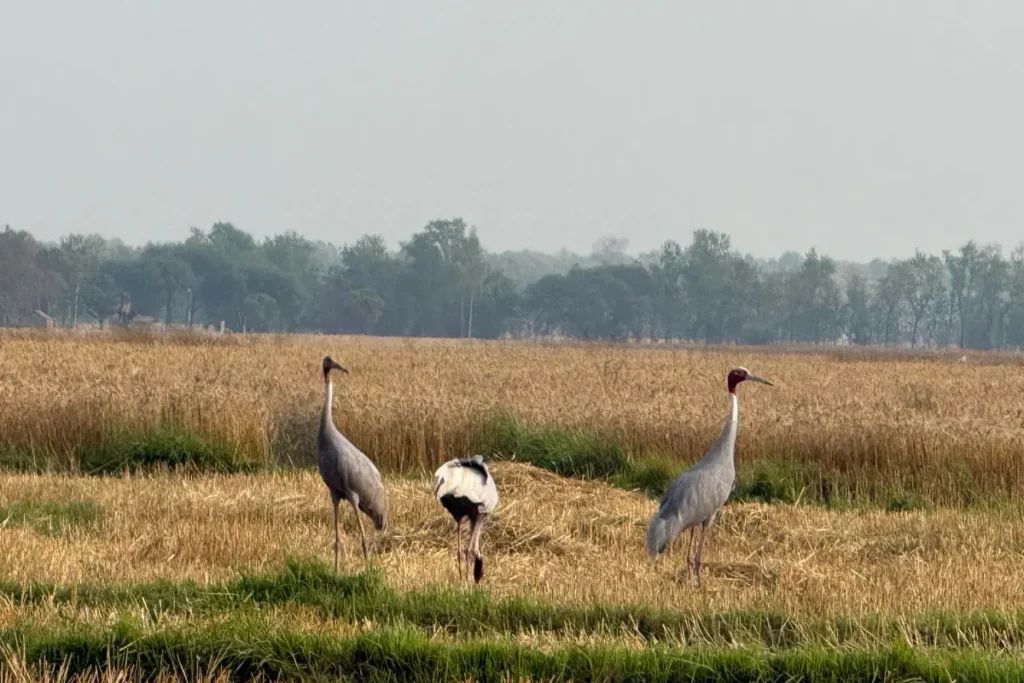
For birders, some of Asia’s most remarkable journeys unfold along its great migration routes, including the Central Asian Flyway, which connects important wetlands and habitats across the continent.
BirdLife International’s work along the flyway highlights the importance of protecting these habitats for both birds and the communities that depend on them.

Birding with Purpose
For us, birding is about more than building a species list. It is a way of slowing down and becoming more attentive to the landscape. A quiet morning in a forest can reveal far more than expected when there is time to listen, watch and wait.
Birding can also bring travellers closer to conservation. Many of Asia’s important bird habitats are shared landscapes, where protected areas, local communities and conservation initiatives play an important role in maintaining healthy ecosystems.
Asia’s birdlife is remarkably diverse, and protecting it depends on conserving the habitats and landscapes on which both resident and migratory species depend. BirdLife International works with conservation partners across the continent to protect birds and their habitats.
Sometimes the most memorable moment is not the rarest bird, but the moment you stop, listen and realise how much life is happening around you.
CHAPTER 05
Adventure Beyond the Ordinary
Asia is made for exploration. Its mountains, forests, rivers, islands and remote landscapes create opportunities to travel actively, whether that means walking a Himalayan trail, travelling by river, paddling through tropical waters or venturing deep into landscapes far from the familiar.
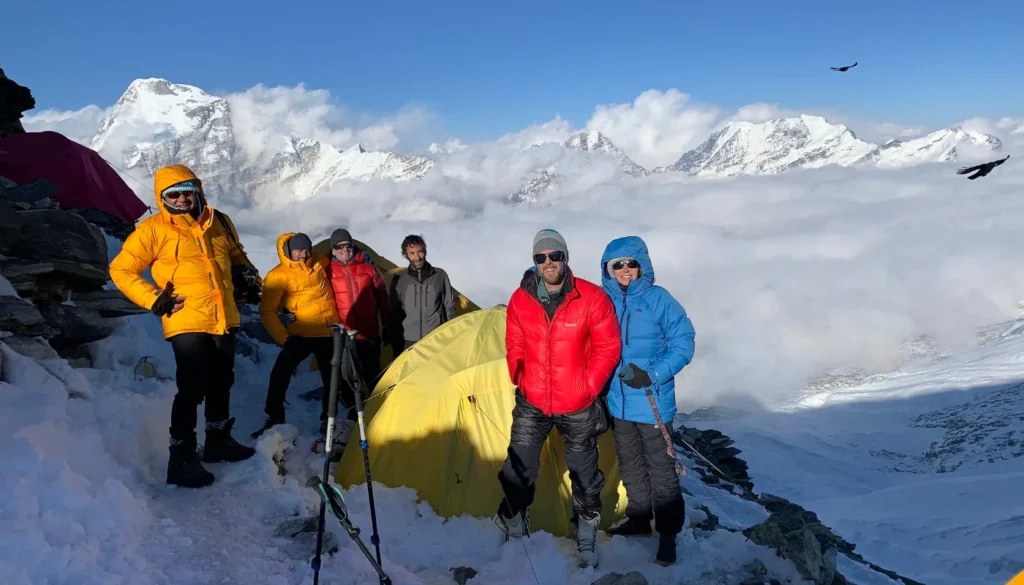
Adventure does not always mean going faster or farther. Sometimes it means taking the longer trail, crossing a mountain pass, travelling beyond the last paved road or spending a day exploring a landscape where there is no fixed schedule.
The best adventures create a stronger relationship with a place. Walking through a Himalayan valley, travelling between remote communities or exploring a forest on foot allows the landscape to unfold gradually, revealing details that are easily missed from a vehicle.
Journeys on Foot
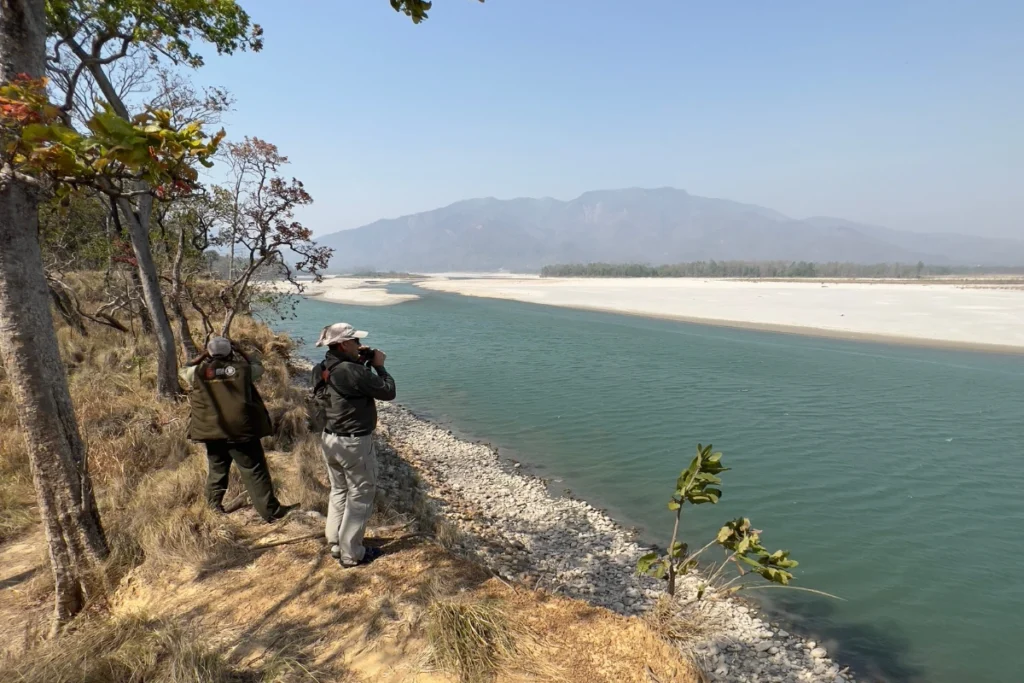
Walking remains one of the most rewarding ways to experience Asia. Nepal and Bhutan offer trails through mountain villages, forests, valleys and high passes, while India and Sri Lanka provide opportunities to explore landscapes on foot alongside wildlife and local communities.
Trekking also changes the pace of travel. Distances become more tangible, landscapes gradually transform and encounters with people along the trail become part of the journey rather than interruptions between destinations.
Rivers, Forests & Islands
Beyond the mountains, adventure takes many different forms. Rivers provide a different perspective on landscapes and communities, while tropical forests invite exploration at a slower, more attentive pace. Across Indonesia and Southeast Asia, islands, coastlines and waterways create opportunities for journeys that combine nature, culture and discovery.
In places such as Vietnam, Thailand and Indonesia, kayaking, boat journeys, cycling and walking can become ways of reaching landscapes that are difficult to experience from the main tourist routes.

The Journey Beyond the Itinerary
Some of the most rewarding adventures are the ones that leave space for discovery. A trail may take longer than expected. A village conversation may change the day’s rhythm. Weather may alter a route or reveal a completely different landscape.
These moments are not inconveniences to be overcome. They are part of travelling through places where nature, geography and local life still influence the journey.
Adventure is not simply about reaching the destination. It is about everything you discover along the way.
CHAPTER 06
THE ASIA BEHIND THE MONUMENTS
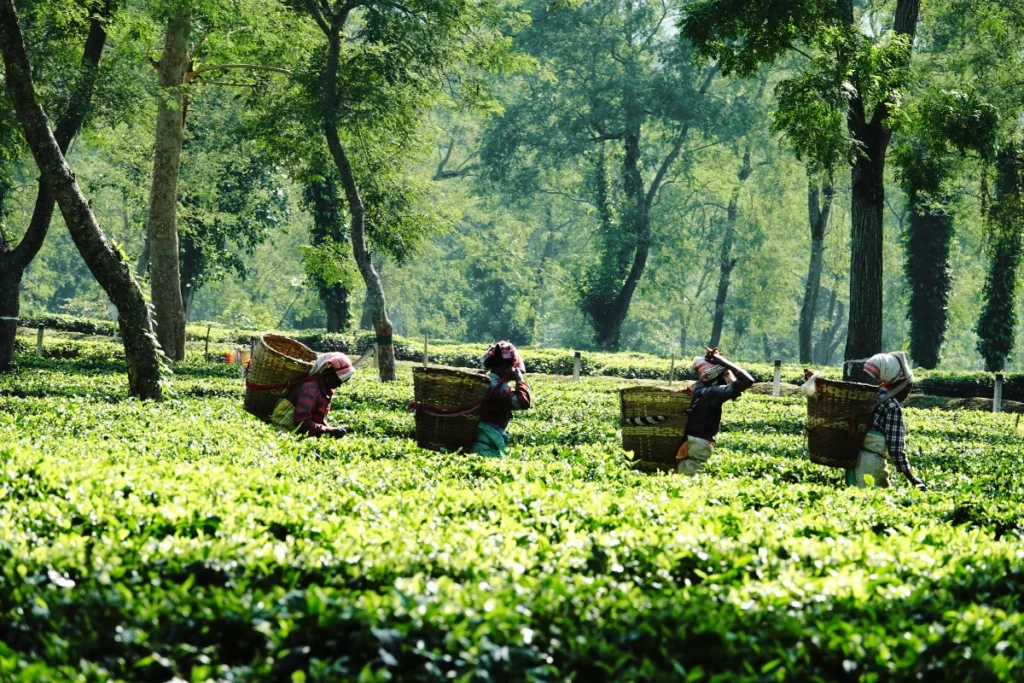
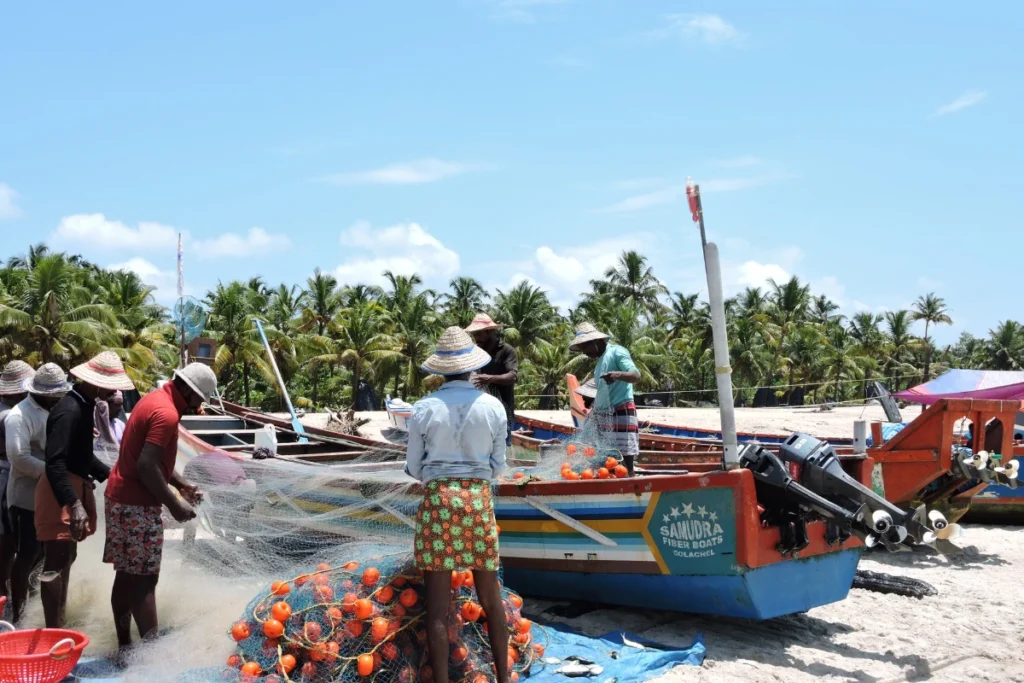
Asia’s landscapes are inseparable from the people who have lived among them for generations. From Himalayan villages and ancient cities to temples, markets, festivals and family homes, cultural journeys reveal a side of the continent that cannot be understood simply by visiting its famous landmarks.
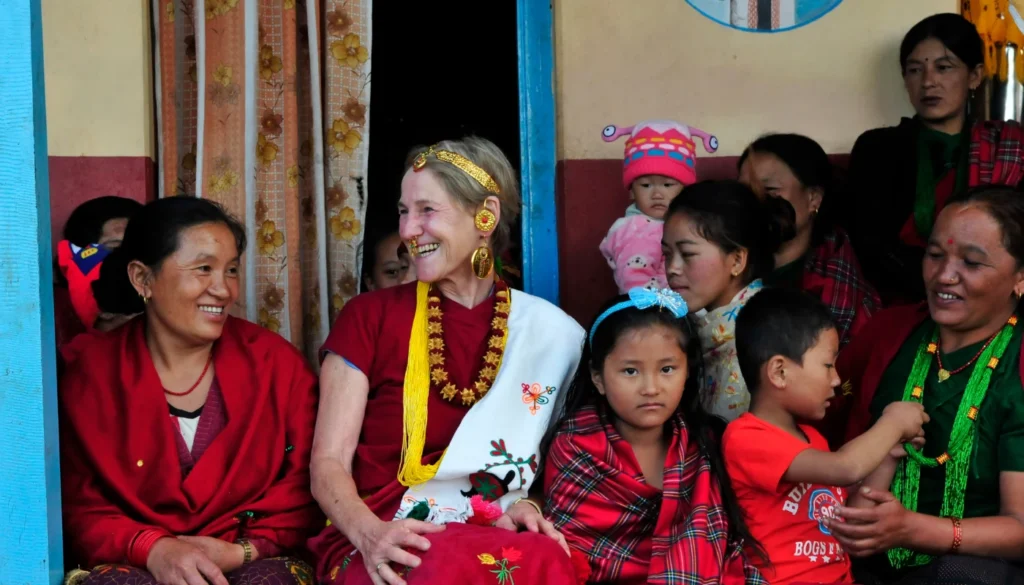
Travel becomes more meaningful when we take time to understand how people live, what they value and how traditions have evolved alongside the landscapes around them. A village meal, a conversation with a local family, a festival or a walk through an old neighbourhood can sometimes reveal more about a destination than its most famous monument.
Across Asia, this relationship between landscape, history and living culture is reflected in an extraordinary collection of places recognised for their cultural and natural significance by UNESCO.
Beyond the Landmarks
Asia is home to some of the world’s great cultural monuments, but the deeper experience often begins beyond them. Ancient cities, historic temples and sacred sites provide a window into the past, while villages, markets and neighbourhoods show how that heritage continues into everyday life.
In Nepal and Bhutan, mountain landscapes are closely connected with centuries-old traditions, Buddhist and Hindu heritage and distinctive forms of architecture. India brings together an extraordinary range of cultures, languages, religions and historical influences, while Sri Lanka’s temples, ancient cities and rural communities reveal the layers of its island history.
Travel Through Living Cultures
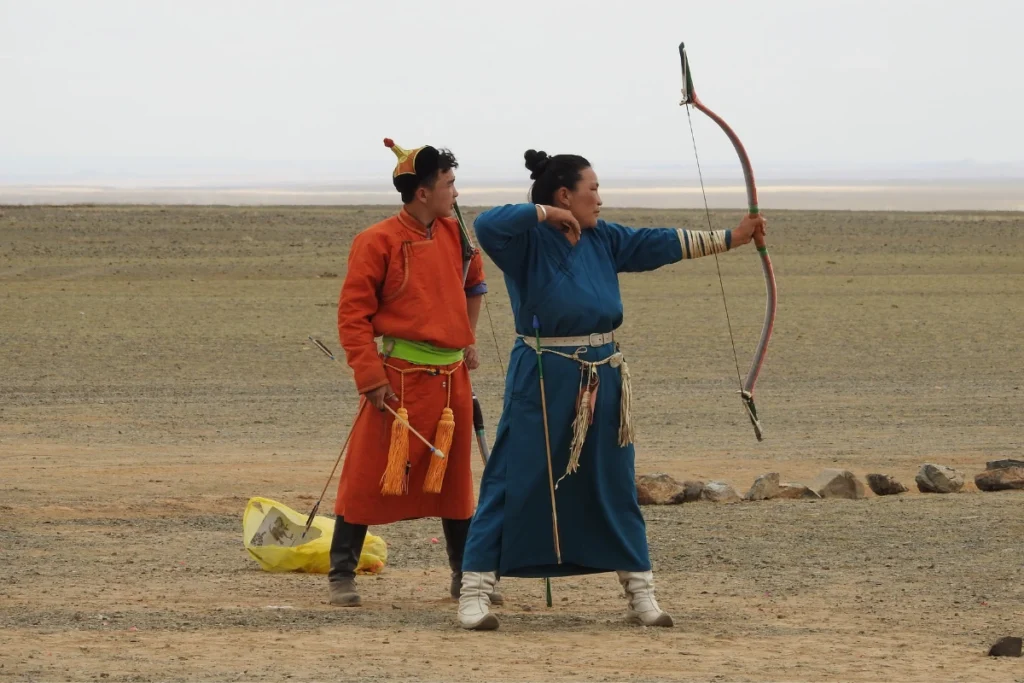
The most memorable cultural experiences are often simple ones. Sharing food with a family, walking through a traditional settlement, meeting a craftsman or spending time in a community can turn a visit into a genuine exchange.
This is particularly important when travelling beyond the major cities. Rural communities across Asia continue to maintain distinctive traditions, agricultural practices, crafts and ways of life that have developed in close relationship with their environment.
Culinary Hospitality
Food offers one of the most intimate ways to experience a culture. Ingredients, cooking traditions and family recipes often reflect the landscapes, history and communities from which they come. From local markets and traditional kitchens to meals shared around a family table, culinary experiences can become an important part of discovering a destination.
Hospitality makes these experiences even more meaningful. Sharing a meal, learning how a dish is prepared or being welcomed into a local home creates a connection that goes beyond sightseeing. These simple encounters often become some of the most memorable moments of a journey.
The heart of Asia is not found only in its monuments. It lives in its people, traditions, flavours and stories — and in the warmth with which travellers are welcomed.
CHAPTER 07
Explore Our Destinations
From the Himalayas to tropical rainforests, ancient cities and remote islands, Asia offers an extraordinary range of landscapes and experiences. Explore the destinations we know and love, each offering its own way to experience nature, culture and adventure.
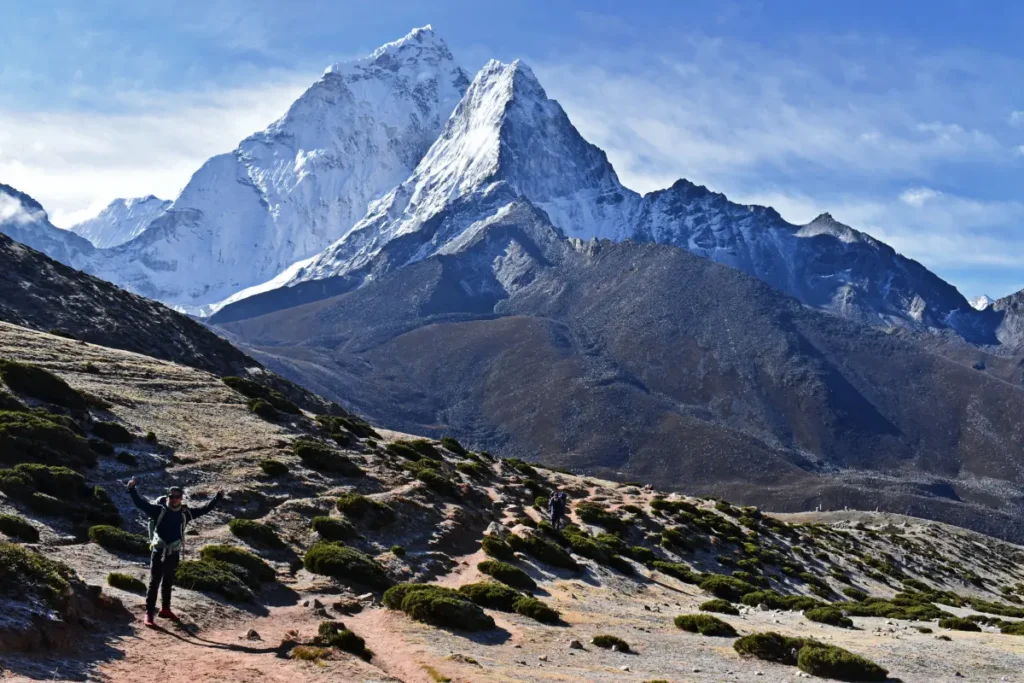
Nepal – The Himalayas, wildlife and living culture
From the world’s highest mountains to wildlife-rich lowlands, Nepal brings Himalayan landscapes, ancient cultures and remarkable biodiversity together. Trek beneath great peaks, search for rhinos and tigers, discover living traditions and meet the people who make Nepal unforgettable.
Best for: Himalayas • Wildlife • Birding • Culture • Adventure
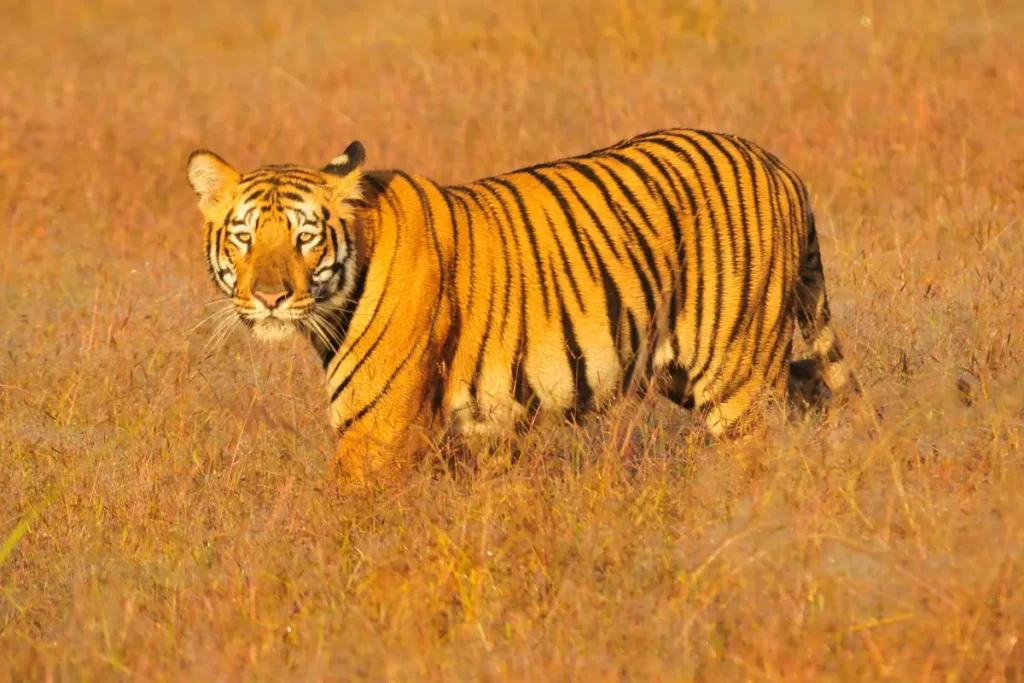
India — The Land of Incredibles!
Few destinations offer such extraordinary contrasts. From the Himalayas and great tiger reserves to Rajasthan, Kerala and ancient cities, India brings together wildlife, history, culture, food and unforgettable human encounters.
Best for: Wildlife • Birding • Culture • Nature • Adventure
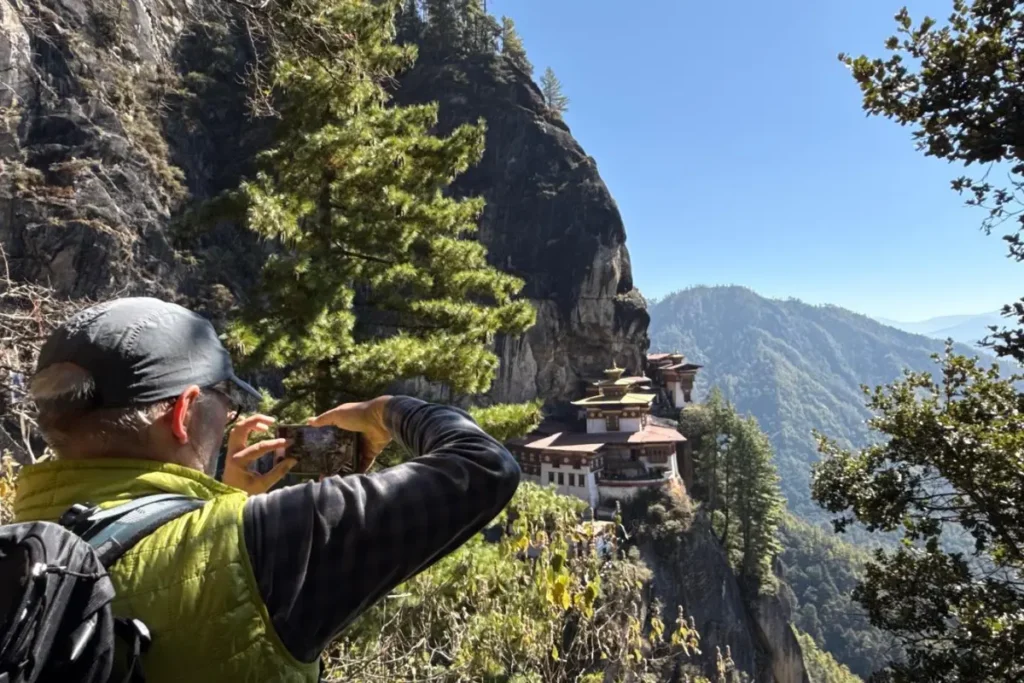
Bhutan — A True Shangri ~ La!
A kingdom of forested mountains, ancient monasteries and deeply rooted traditions, Bhutan offers a rare sense of tranquillity. Walk through Himalayan valleys, encounter remarkable wildlife and birdlife, and experience a culture where spirituality remains part of everyday life.
Best for: Culture • Nature • Birding • Trekking • Wildlife
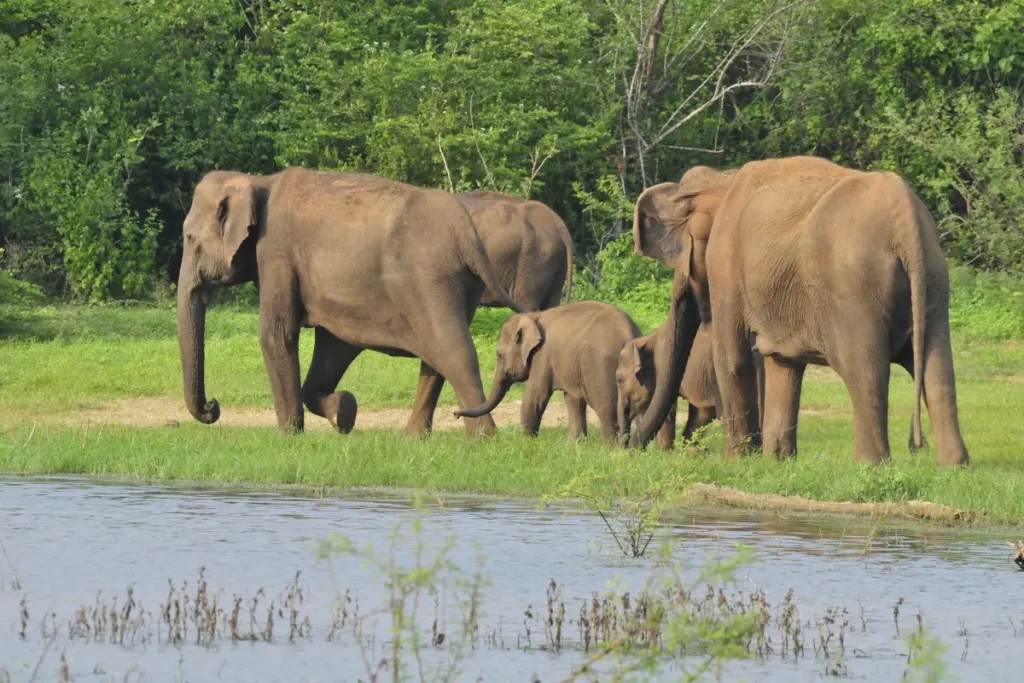
Sri Lanka – A Whole World on a Single Island!
Compact yet wonderfully diverse, Sri Lanka combines misty mountains, ancient cities, tropical forests, wildlife-rich national parks and beautiful beaches. Search for leopards and elephants, explore tea country and discover centuries of island heritage.
Best for: Wildlife • Culture • Birding • Nature • Beaches
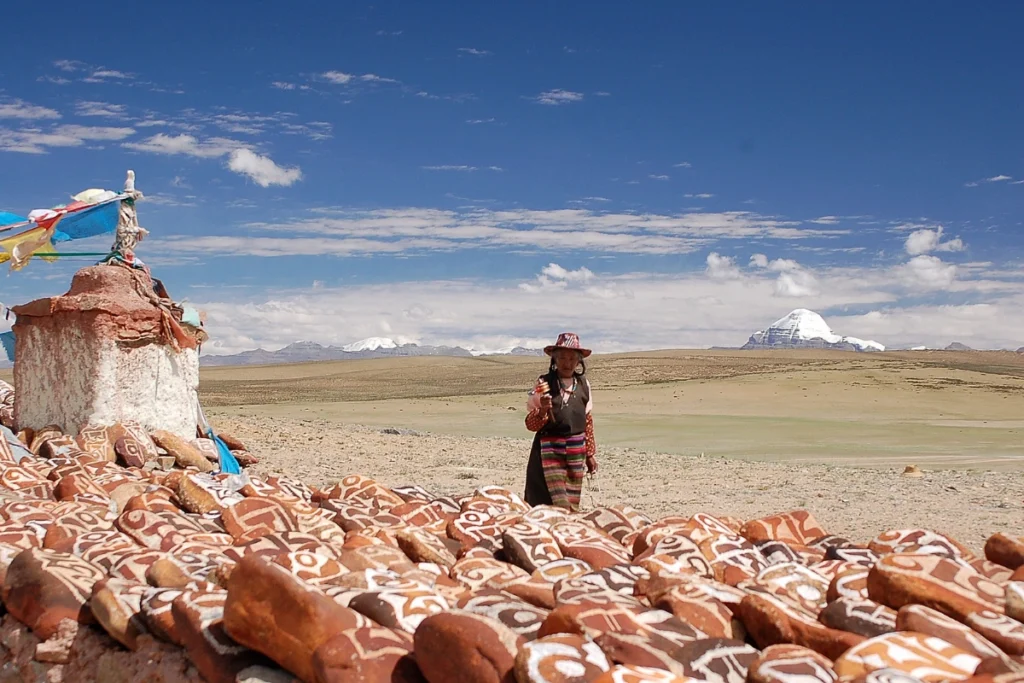
Tibet — The Roof of the World!
High on the Roof of the World, Tibet is a journey through immense Himalayan landscapes and a deeply spiritual culture. Cross high mountain passes, discover ancient monasteries and sacred lakes, and experience a landscape shaped by altitude, faith and tradition.
Best for: Himalayan Culture • Spiritual Journeys • Landscapes • Adventure

Vietnam — The Charm of Southeast Asia!
From misty northern mountains and emerald rice terraces to limestone karsts, ancient towns and the Mekong Delta, Vietnam offers a journey rich in landscape and character, with plenty of opportunities to travel beyond the familiar.
Best for: Nature • Culture • Adventure
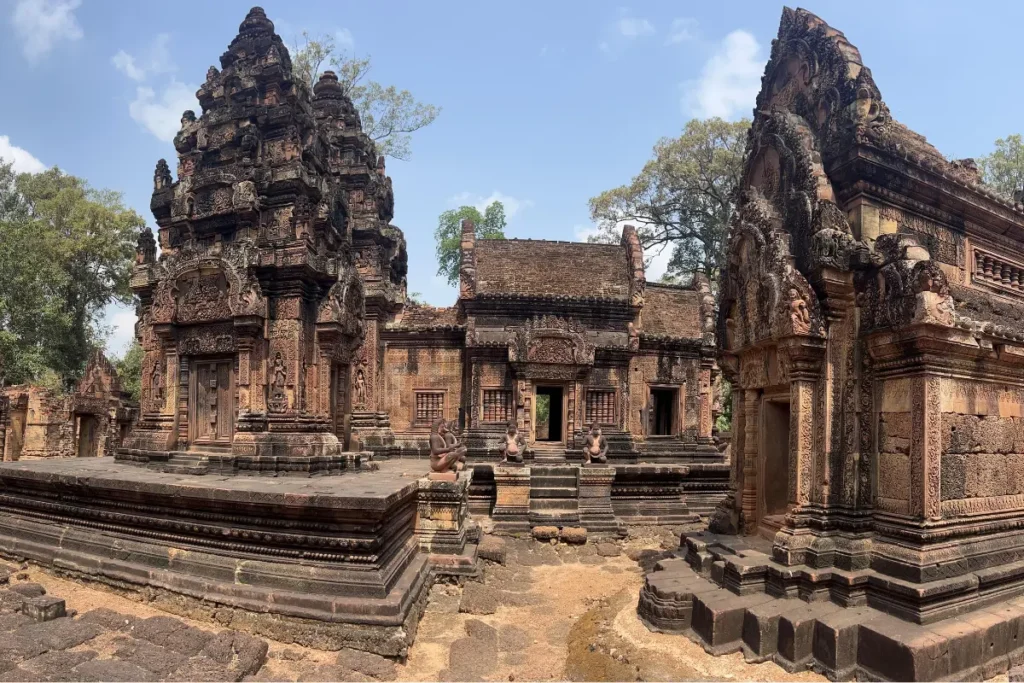
Cambodia – Sleeping Beauty of Southeast Asia!
Cambodia reveals far more than the grandeur of Angkor. Ancient temples, tropical forests, mighty rivers, peaceful countryside and welcoming communities come together in a country where history and everyday life remain closely connected.
Best for: Culture • Nature • History • Adventure • Birding
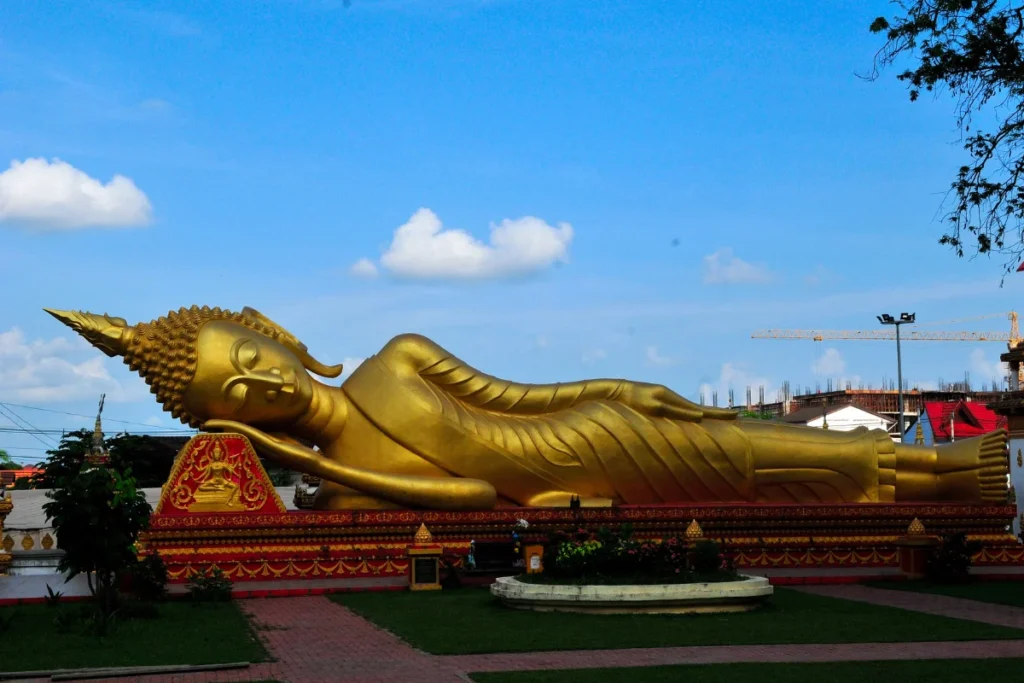
Laos — Simply beautiful!
Quiet rivers, forested mountains, ancient temples and traditional villages give Laos a distinctive sense of calm. Follow the Mekong, explore Luang Prabang and discover a slower side of Southeast Asia where nature and culture remain deeply intertwined.
Best for: Nature • Culture • Mekong • Adventure
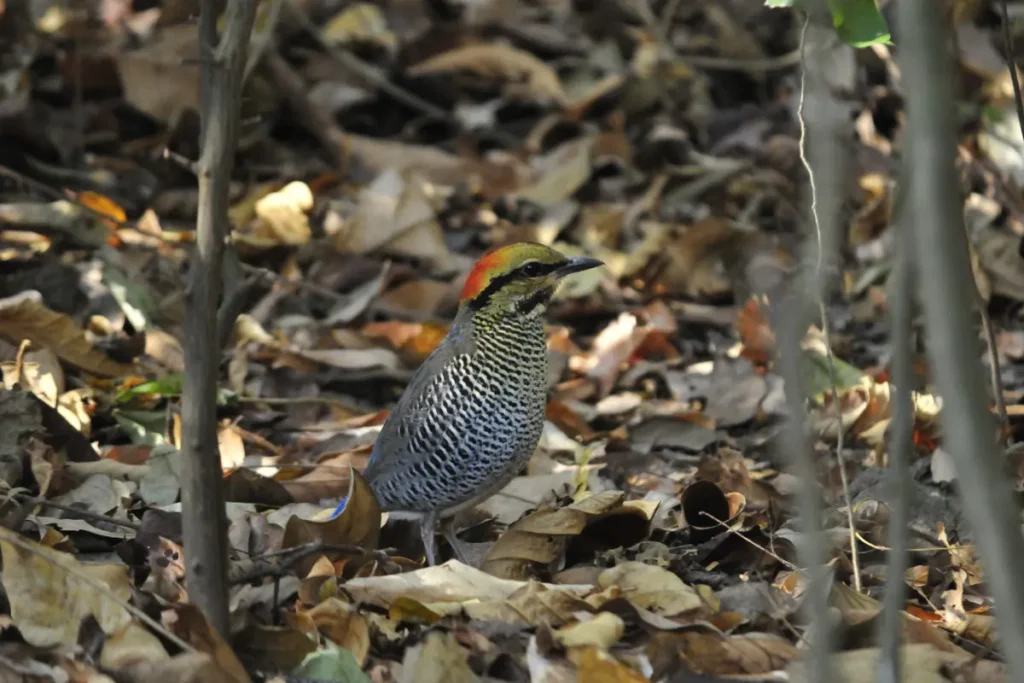
Amazing Thailand !
Beyond its famous beaches and cities lies another Thailand — of forests, mountains, rivers, islands and traditional communities. Explore national parks, discover local culture and experience landscapes that reward those willing to look beyond the familiar.
Best for: Nature • Culture • Islands • Adventure
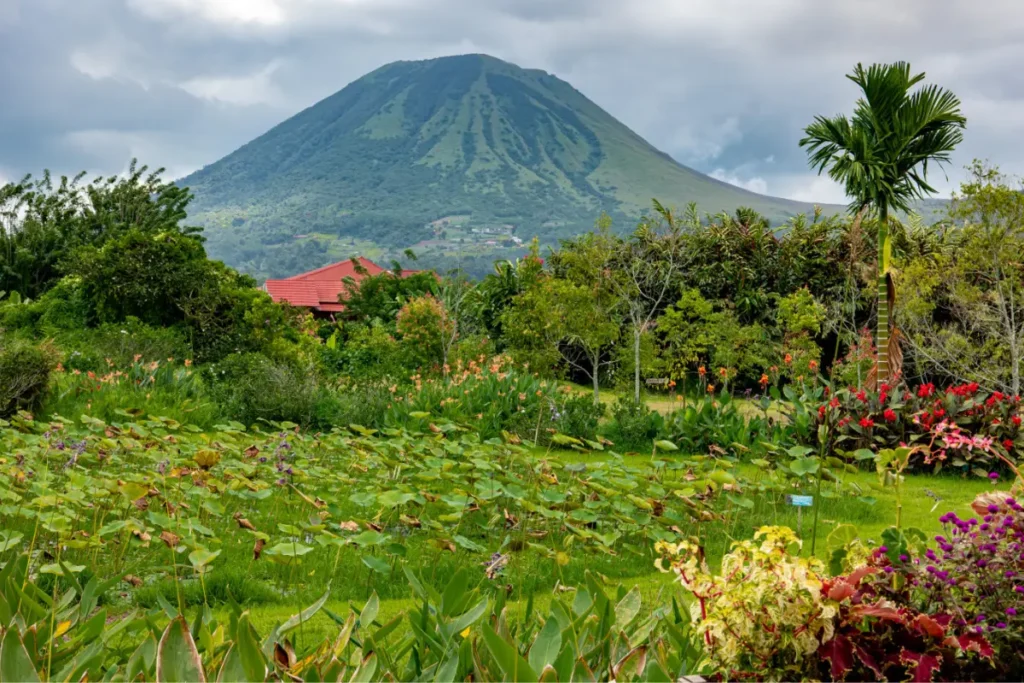
Indonesia — The Wild Archipelago!
Thousands of islands create an extraordinary world of rainforests, volcanoes, reefs and unique wildlife. Search for orangutans, explore remote forests, discover traditional communities and travel between islands where nature and distance shape the experience.
Best for: Wildlife • Islands • Rainforest • Adventure
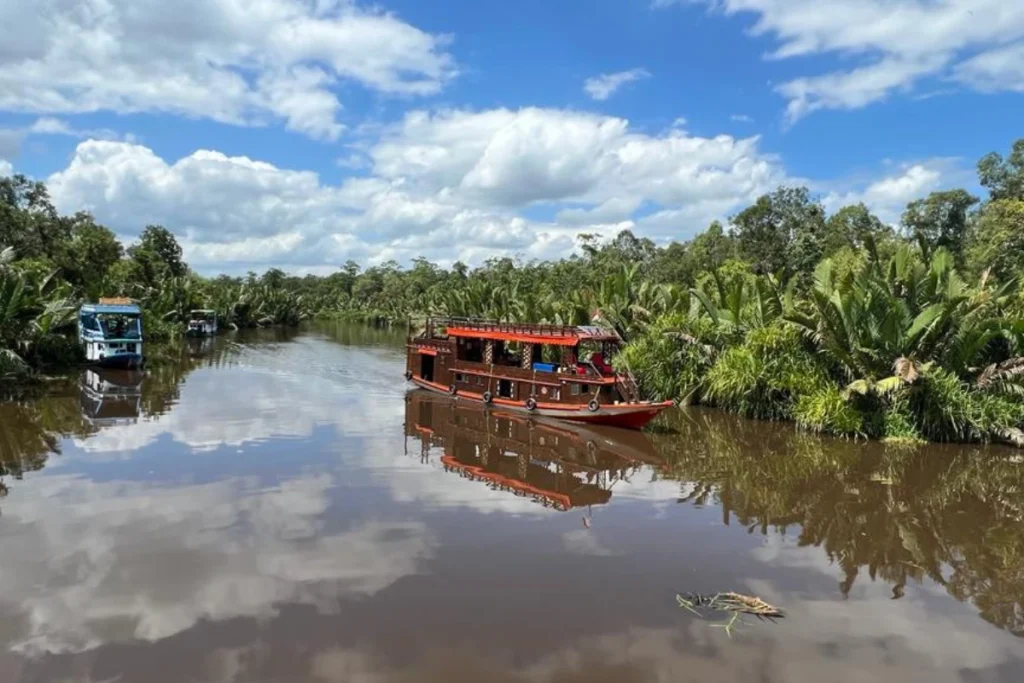
Bizarre Borneo!
Borneo is a world of extraordinary forests, rivers and wildlife. Venture into tropical rainforest in search of orangutans, proboscis monkeys and hornbills, travelling through landscapes where wildlife remains at the heart of the journey.
Best for: Wildlife • Rainforest • Birding • Adventure
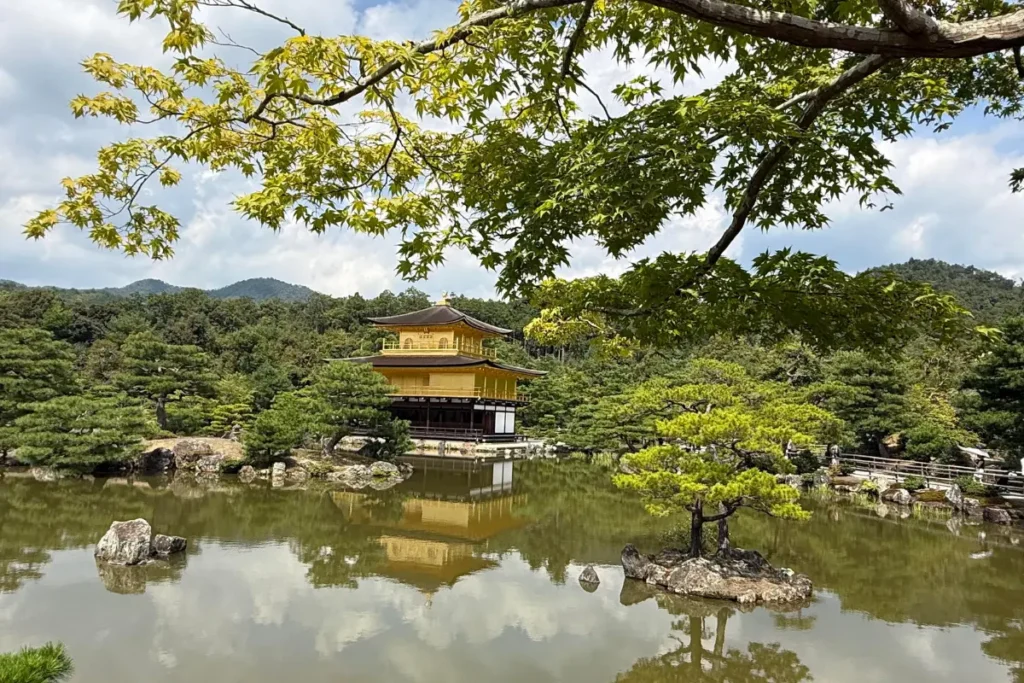
Enchanting Japan!
Japan brings ancient traditions and modern life together with remarkable elegance. Explore historic villages and temples, walk through mountain landscapes and forests, experience dramatic seasonal changes and discover regional food and traditions beyond the famous cities.
Best for: Culture • Nature • Seasons • Walking
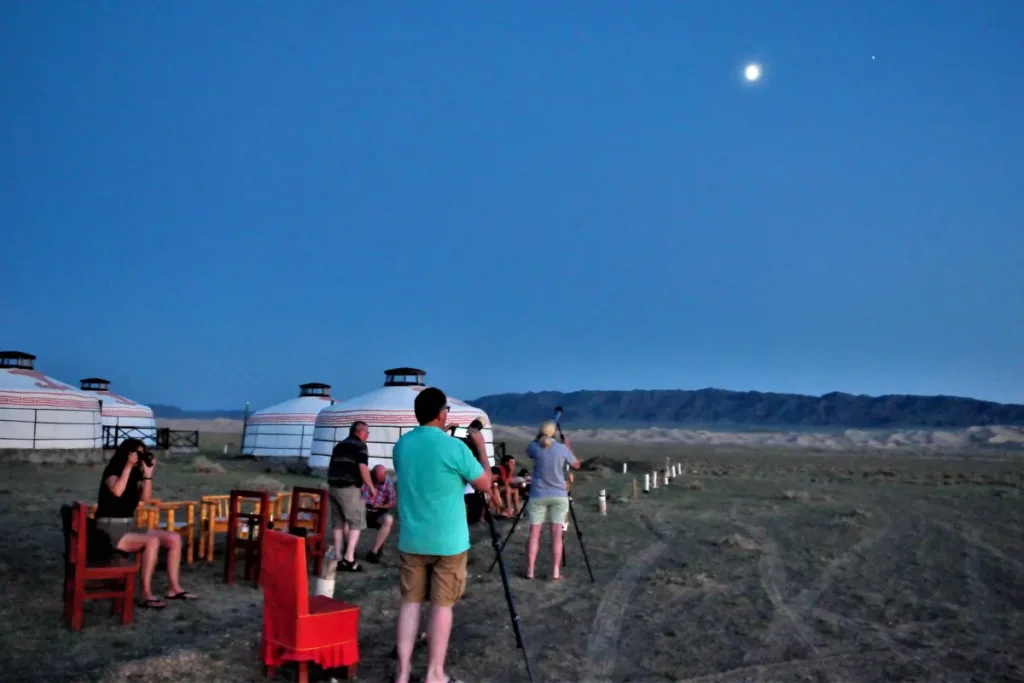
Go nomadic, experience Mongolia!
Mongolia is a journey into immense open landscapes, where grasslands, mountains and desert horizons stretch towards the distance. Travel through the steppe, meet nomadic communities and discover a country where the vastness itself becomes part of the adventure.
Best for: Nomadic Culture • Wilderness • Adventure • Photography

Maldives — Beyond the Blue
The Maldives is more than a picture-perfect tropical escape. Its islands, lagoons and surrounding reefs create an intimate relationship between land and ocean, offering time to slow down, explore marine environments and experience island life at an unhurried pace.
Best for: Islands • Ocean • Marine Life • Relaxation
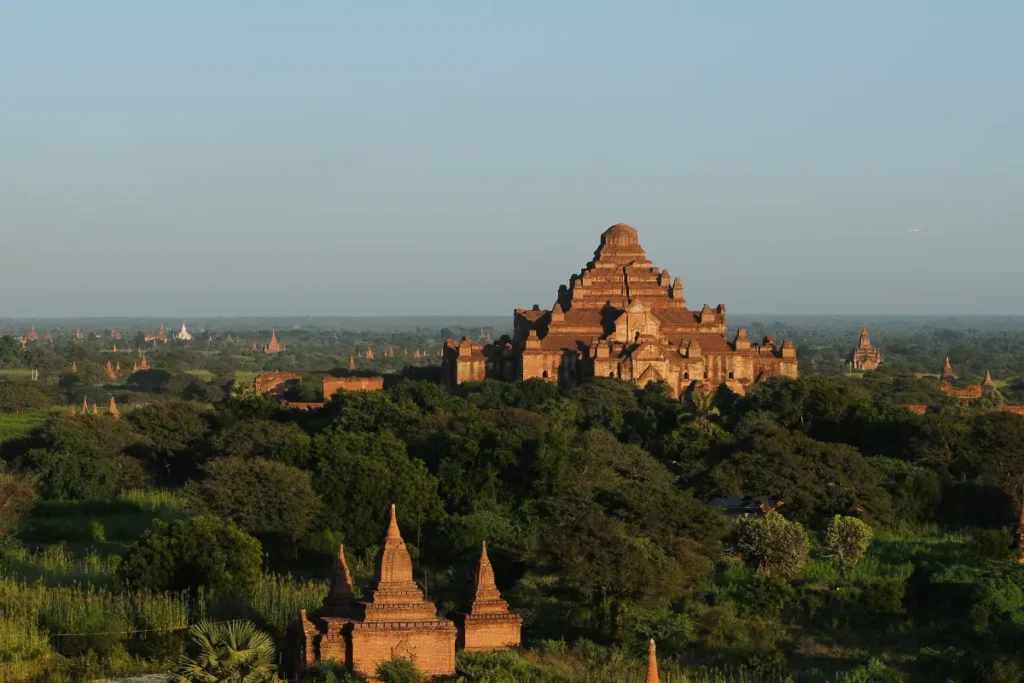
Myanmar — Be enchanted!
Myanmar has an unmistakable sense of discovery. From the temple plains of Bagan and floating landscapes of Inle Lake to ancient cities, quiet villages and beautiful coastlines, the country offers encounters that feel wonderfully removed from the ordinary.
Best for: Culture • History • Nature • Birding
Looking for something more specific? Explore our wildlife, birding, Himalayan, cultural and adventure journeys.
Best Time to Visit Asia
There is no single best season for travelling across Asia. The continent stretches through dramatically different climates and landscapes, from the high Himalayas and Mongolian steppe to tropical rainforests and island coastlines. The right time to travel depends largely on where you want to go and what you hope to experience.
The best time to visit Asia depends on the destination and the experience you are looking for. Spring and autumn are generally popular for Himalayan journeys, while wildlife, birding, rainforest and island experiences follow different seasonal patterns.
| Experience | Destinations | Generally favourable periods |
|---|---|---|
| Himalayan trekking | Nepal, Bhutan, Tibet | Spring & autumn |
| Tiger safaris | India, Nepal | Dry seasons vary by region |
| Birdwatching | Across Asia | Varies by habitat and migration |
| Wildlife & rainforest | Borneo, Indonesia | Opportunities throughout the year; conditions vary |
| Mongolia expeditions | Mongolia | Summer to early autumn |
| Island & marine journeys | Maldives, Indonesia,Sri Lanka | Season varies by island and activity |
| Cultural journeys | Across Asia | Many destinations can be visited year-round |
Travel That Gives Back
Travel can create meaningful connections between visitors and the places they explore, but it can also have a wider impact. When journeys are thoughtfully designed, tourism can support local livelihoods, strengthen communities and help protect the natural environments that make these destinations worth travelling to.
For us, responsible travel is not a separate part of the journey. It is woven into the way we work — from the people we choose to work with and the communities we visit to the wildlife experiences we create and the places we encourage travellers to discover.
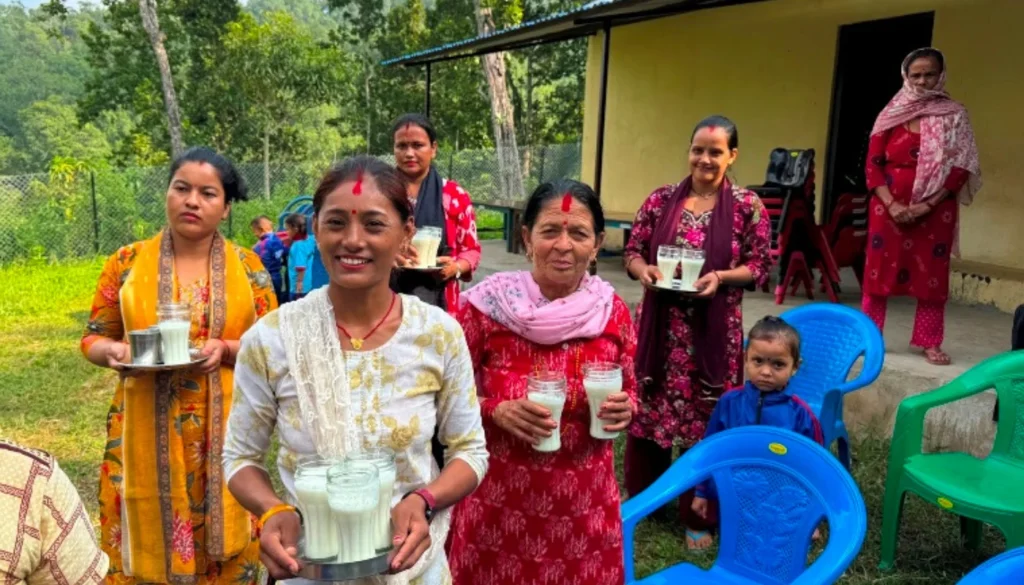
Tourism is ultimately about people. Behind every journey are guides, drivers, naturalists, hosts, cooks, artisans, farmers and families whose knowledge and hospitality help make travel possible.
We believe the benefits of tourism should reach beyond the places where visitors stay. Whenever possible, our journeys work with local people and locally based partners, creating opportunities for communities to share their knowledge, traditions and way of life while earning an income from tourism.
Some of the most meaningful experiences can come from these connections — a meal prepared in a family home, a conversation in a mountain village, a visit to a community project or simply spending time with people whose daily lives are closely connected to the landscape around them.
Conservation Through Travel
Many of Asia’s most extraordinary landscapes are also home to species and ecosystems under pressure. Forests, wetlands, grasslands and mountain habitats need more than protection on paper; they need people to see their value.
Responsible wildlife and nature tourism can help create that value by bringing visitors into protected areas and community landscapes while supporting the people who live alongside them.
Understanding the wildlife we encounter also means understanding the pressures facing it. The IUCN Red List of Threatened Species provides one of the world’s most comprehensive assessments of the conservation status of species and the threats they face.
Our aim is to create journeys that encourage curiosity and respect for the natural world — experiences where seeing wildlife also means learning about its habitat, its challenges and the conservation work helping to protect it.
Supporting Local Economies
Choosing local businesses can make a journey more meaningful while helping tourism benefits remain within the destination.
Where appropriate, we work with locally based guides, accommodation providers, transport teams, community hosts and other partners. This creates a more personal travel experience while helping support the network of people who make each journey possible.
For travellers, this often means something more valuable than simply knowing that their money has been spent locally. It means meeting the people behind the destination and experiencing places through their knowledge and perspective.
What Responsible Travel Looks Like
Responsible travel is rarely about one grand gesture. More often, it is a collection of thoughtful choices made throughout a journey.
It can mean spending time with locally owned businesses, travelling in smaller groups, respecting cultural traditions, following wildlife guidelines, reducing unnecessary waste or choosing experiences that directly benefit communities.
It also means recognising that every destination is different. What works in a Himalayan village may not be appropriate in a rainforest or island community. Good responsible tourism begins with listening, understanding local circumstances and adapting the way we travel accordingly.
For us, travelling responsibly means leaving places with greater respect than when we arrived — and helping ensure that the landscapes, wildlife and communities we value can continue to thrive.
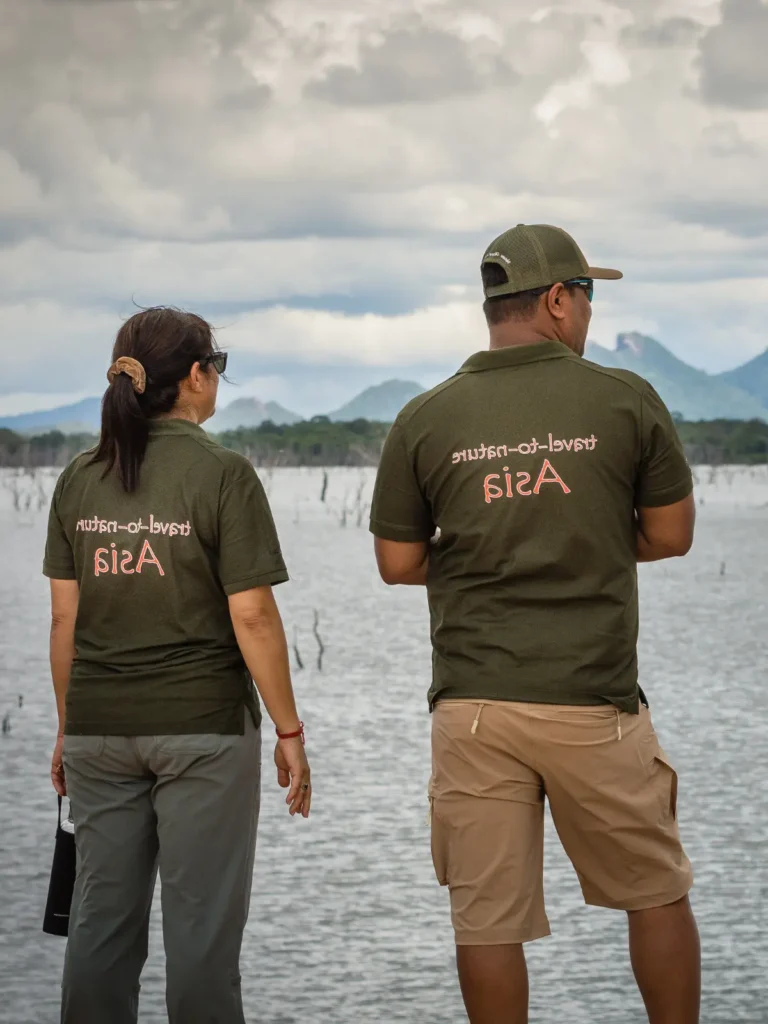
TRAVEL TO NATURE ASIA
Why Travel with Travel to Nature Asia?
A journey through Asia is shaped by the people who know its landscapes, understand its seasons and can open doors that are difficult to find from a guidebook. Our approach has grown from years spent travelling through the region, working with local communities, exploring wilderness areas and developing journeys around the experiences that matter most to our travellers.
LOCAL KNOWLEDGE
We travel through Asia with people who know their regions intimately—from mountain trails and wildlife habitats to villages, cultural sites and quieter places beyond the usual routes.
NATURE EXPERTISE
Nature is at the heart of what we do. Our journeys are shaped by a deep interest in wildlife, birding, landscapes and the natural world, with experiences designed around understanding rather than simply observing.
MEANINGFUL JOURNEYS
We believe the most memorable journeys are about the quality of the experience—meeting people, walking through remarkable landscapes and having time to appreciate where you are.
RESPONSIBLE TRAVEL
Travel should create value for the places we visit. We work to support local communities, conservation and responsible tourism initiatives.
CHOOSING YOUR JOURNEY
Asia rewards different kinds of travellers. Follow the landscapes, wildlife and experiences that speak to you, then shape your journey around them.
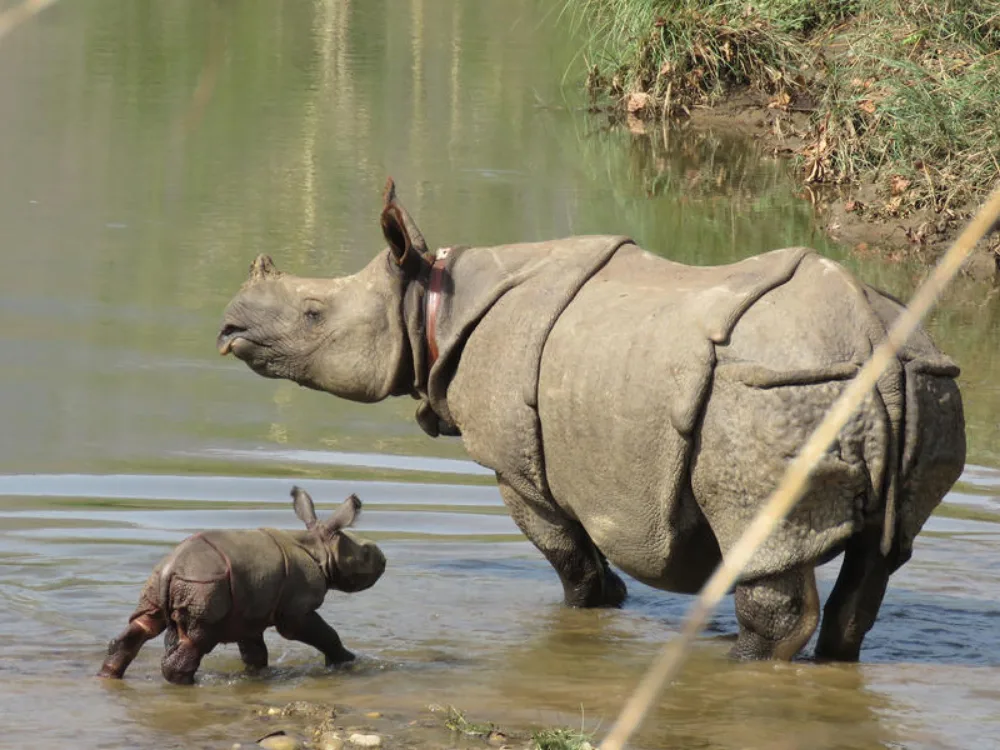
Wildlife
From Bengal tigers and greater one-horned rhinos to orangutans and rare Himalayan species, Asia offers some of the world’s most rewarding wildlife encounters.
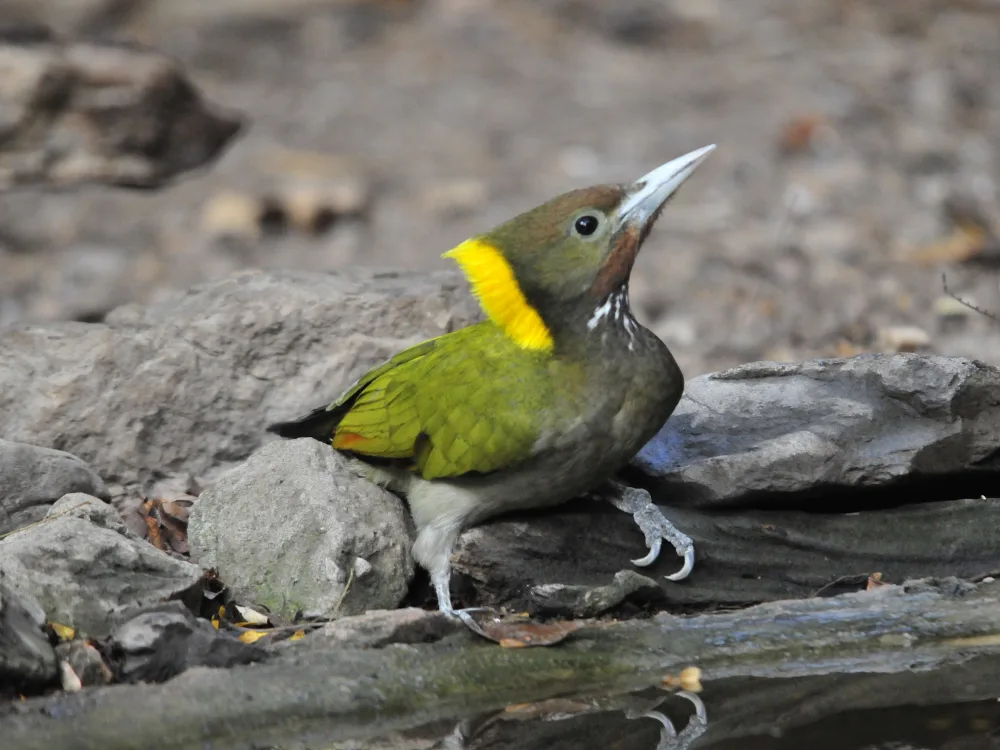
Birding
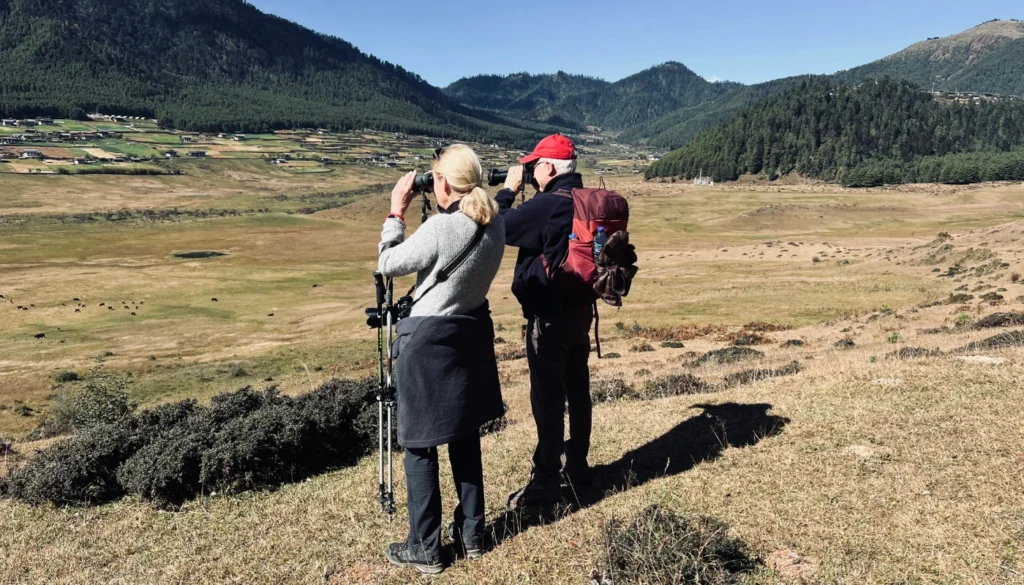
From Himalayan highlands to tropical forests and wetlands, Asia’s extraordinary range of habitats makes every birding journey a discovery.
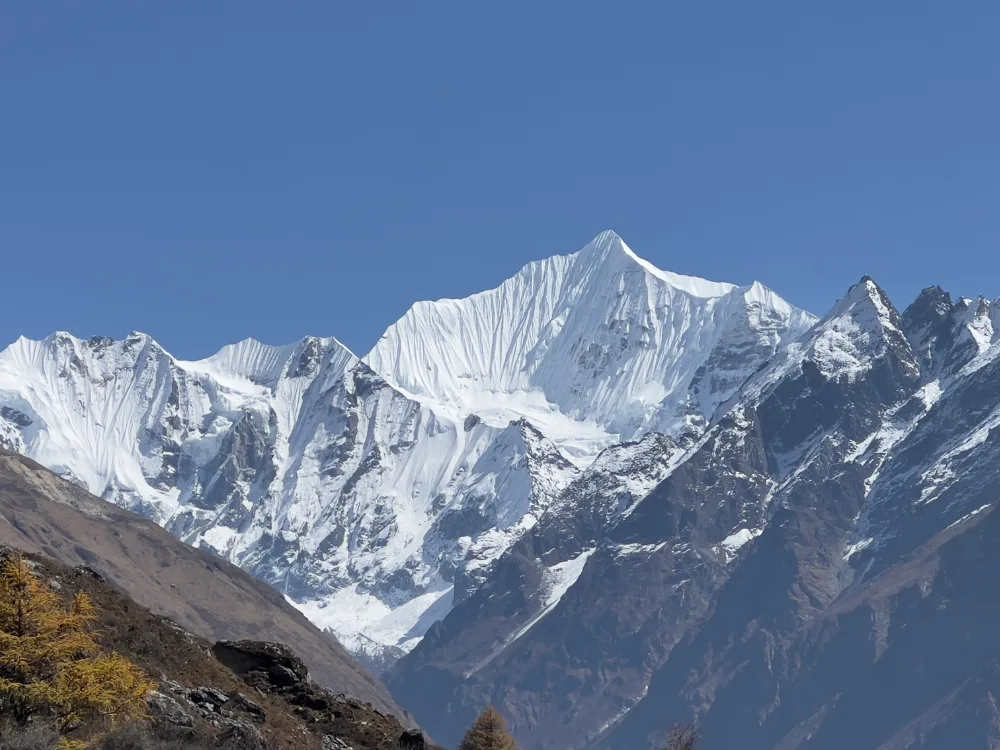
Himalayas
Walk beneath some of the world’s highest mountains, travelling through remote valleys, ancient villages and landscapes that change with every altitude.

Culture
Discover Asia through its living traditions, historic towns, sacred places, local food and the people whose stories give each destination its character.
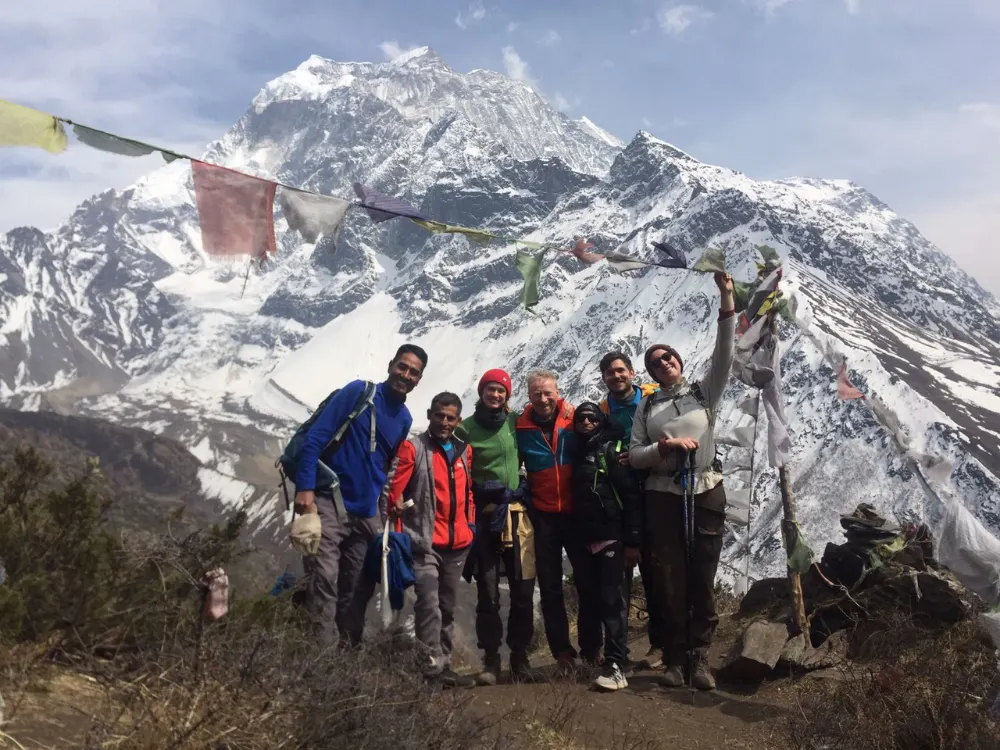
Adventure
Trek, paddle, explore and travel beyond the familiar routes, with journeys designed around landscapes, discovery and the freedom to explore.
FREQUENTLY ASKED QUESTIONS
What are the best nature holidays in Asia?
The best nature holiday depends on the type of landscape and wildlife you want to experience. Nepal and Bhutan are particularly strong for Himalayan landscapes, while India, Nepal and Sri Lanka offer exceptional wildlife experiences. Borneo and Indonesia provide extraordinary tropical ecosystems, and Mongolia offers vast open landscapes.
Which Asian countries are best for wildlife holidays?
Nepal,India, Bhutan, Sri Lanka, Borneo and Indonesia are among the destinations particularly suited to wildlife-focused travel, although each offers a very different ecosystem and species experience.
Where is best for birdwatching in Asia?
Asia offers birding opportunities across Himalayan forests, wetlands, grasslands and tropical rainforest. Nepal, India, Bhutan and Southeast Asia are particularly diverse, with habitats changing dramatically across altitude and geography. Dedicated birding itineraries can be designed around particular regions and seasons.
Is Asia suitable for tailor-made holidays?
There is no single best season for the entire continent. The ideal time depends on the destination and the purpose of your journey, particularly for trekking, wildlife and birding.
What does responsible tourism mean at Travel to Nature Asia?
For TTNA, responsible tourism means designing journeys that respect local communities, cultures and natural environments while creating opportunities for tourism to contribute positively to conservation and community development.
Where Will Asia Take You?
Your Journey Begins with an Idea.
Asia is vast, varied and endlessly rewarding — and the most memorable journeys are often the ones shaped around what genuinely inspires you.
Perhaps it is a Himalayan trail, a tiger in the forest, a rare bird, an ancient monastery, a remote village or simply the desire to see Asia differently. Tell us what draws you, and we can help turn that idea into a journey of your own.