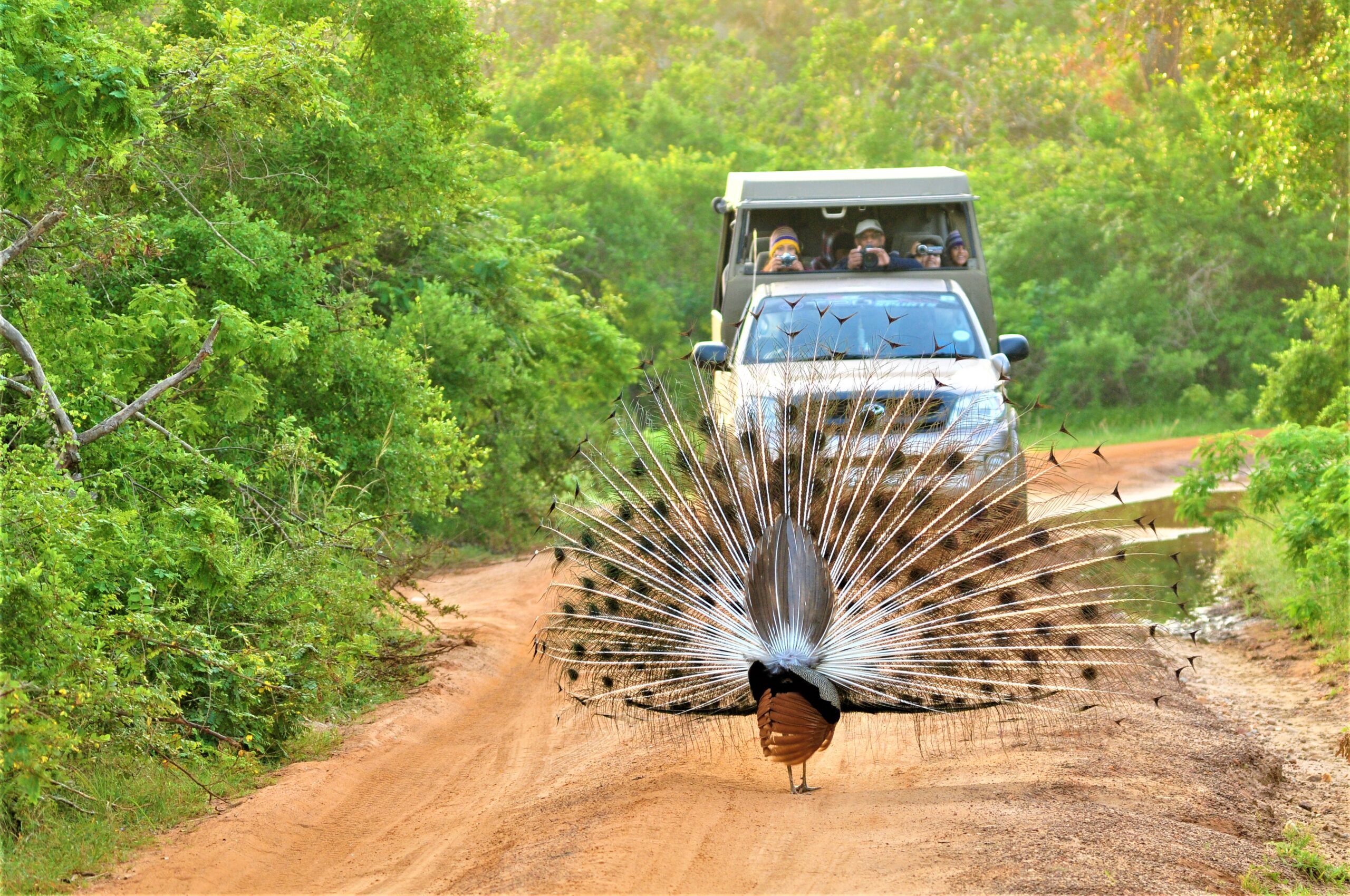
Sri Lanka might look small on the map, but for birdwatchers, it feels like an entire world. As a guide who has spent years exploring the island’s rainforests, cloud forests, wetlands, and dry plains, I can tell you this: few places offer such a concentrated mix of endemics, habitats, and high-quality birding experiences.
Whether you’re a seasoned birder chasing lifers or a curious traveler wanting to explore nature with fresh eyes, Sri Lanka gives you everything — accessibility, rich biodiversity, great photography conditions, and warm hospitality.
If you’re considering a birding trip here, this guide offers a closer look at what your journey will be like, where we take you, and how Travel to Nature Asia ensures an experience designed around your interests and pace.
Why Sri Lanka Is One of Asia’s Top Birding Destinations?
Sri Lanka’s diverse geography creates a mosaic of bird habitats within short driving distances. In a single day, you can move from the lowland rainforests of the southwest to the high-altitude cloud forests of the central hills, and then to the wetlands of the southern coast.
This compactness is a dream for birders:
- More time in nature, less time on the road
- Consistent chances to spot all endemics
- Reliable bird activity across seasons
- Excellent opportunities for photography
From the stunning Sri Lanka Blue Magpie to the secretive Sri Lanka Whistling Thrush, each region holds its own specialties — and our itineraries are designed to help you encounter them in the right place at the right time.
Key Birding Hotspots on Our Sri Lanka Journeys
1. Sinharaja Rainforest – Endemic Heaven
Home to the highest concentration of endemic birds, Sinharaja requires patience and slow walking. Mixed flocks are the highlight — when they pass through, the forest truly comes alive. Expect encounters with the Sri Lanka Blue Magpie, Red-faced Malkoha, and Ashy-headed Laughingthrush.
2. Horton Plains & Nuwara Eliya – The Cloud Forest Wonders
At 2,000m+, the air is cool and crisp. This is where you’ll look for the Sri Lanka Whistling Thrush, Dull-blue Flycatcher, and Yellow-eared Bulbul. Dawn offers the best chances. Dress warmly — the mornings are chilled but rewarding.
3. Yala National Park – Raptors, Open Country Birds & Mammals
Yala is a paradise for open-country birding. Crested serpent eagles, white-bellied sea eagles, Malabar pied hornbills, and numerous storks and waders fill the park. And yes—leopards are a delightful possibility.
4. Bundala Wetlands – The Realm of Waders
If you enjoy shorebirds, Bundala is unmissable. From October to April, migrant waders arrive in impressive numbers. Flamingos often feed in the lagoons, while terns, sandpipers, and plovers fill the shores.
Target Species for Birding Enthusiasts
While we tailor the list to your interests, here are some favorites that birders love to chase:
- Sri Lanka Blue Magpie
- Sri Lanka Junglefowl
- Sri Lanka Whistling Thrush
- Red-faced Malkoha
- Yellow-eared Bulbul
- Sri Lanka Wood Pigeon
- Malabar Trogon
- Pied Thrush
- Legge’s Flowerpecker
- Wide range of migrants (Oct–Apr)
Your guide will help you focus on the birds you want most, using current sighting updates and local knowledge.
Photography & Field Tips from Your Guide:
- Keep movements slow and predictable — forest birds respond best to calm behaviour.
- For rainforests, higher ISO and short bursts work better than waiting for “perfect light.”
- Wetlands are ideal for longer lenses and clean backgrounds.
- Bring spare batteries — long days and humidity drain power quickly.
- Avoid bright clothing; natural tones blend better with surroundings.
Recommended Gear & Packing List
- 8×42 binoculars
- Comfortable walking shoes
- Lightweight long clothing
- Rain jacket for the southwest
- Sun protection for the dry zone
- Insect repellent
- Camera with 300–500mm lens
- A reusable water bottle
You don’t need the most advanced gear to enjoy the trip — just enthusiasm and readiness to explore.
Our goal is simple: Deliver a birding journey that feels personal, rewarding, and unforgettable.
If Sri Lanka’s birds are calling you, we’re here to guide you every step of the way. Whether you already have species targets or want a balanced introduction to the island’s birdlife, we’ll design a tailor-made birding itinerary that suits your pace, comfort level, and interests.